
Unless you’ve been living in a cave , the climate conversation has become impossible to ignore.
But there’s a recurring theme in these discussions: they often focus on the future—how our actions will affect “future generations.” It’s as if we, living in the present, are somehow protected from the consequences unfolding before our eyes.
The reality is that climate change is already here, making its presence felt in everyday life.

The other day, I received a newsletter from my local politician titled “Climate Change Edition.” It featured big diagrams and plenty of stats—a classic approach to climate communication. But instead of just listing greenhouse gas percentages, it drilled into how climate change is hitting us where it hurts right now.
Higher home insurance premiums, healthcare costs, rising grocery prices, and aging infrastructure struggling to keep up with new regulations—this wasn’t about the distant future. It was about our daily lives.
As an architect, I’ve been well versed in conversations about building materials and carbon footprints, balancing the latest regulations with clients’ needs. But seeing these broader impacts connected the dots in a new way.
It raised a question: if the effects are already at our doorstep, is aiming for net-zero carbon emissions really enough? Or do we need to think beyond emissions reduction to prepare for a reality that’s already shifting?
Why Net Zero Isn’t Enough
To be fair,Net-Zero goals have their place.
They aim to balance energy use by reducing greenhouse gas emissions, making the built environment less harmful. But if we focus solely on net-zero, we’re missing the point—because it’s not just about energy.
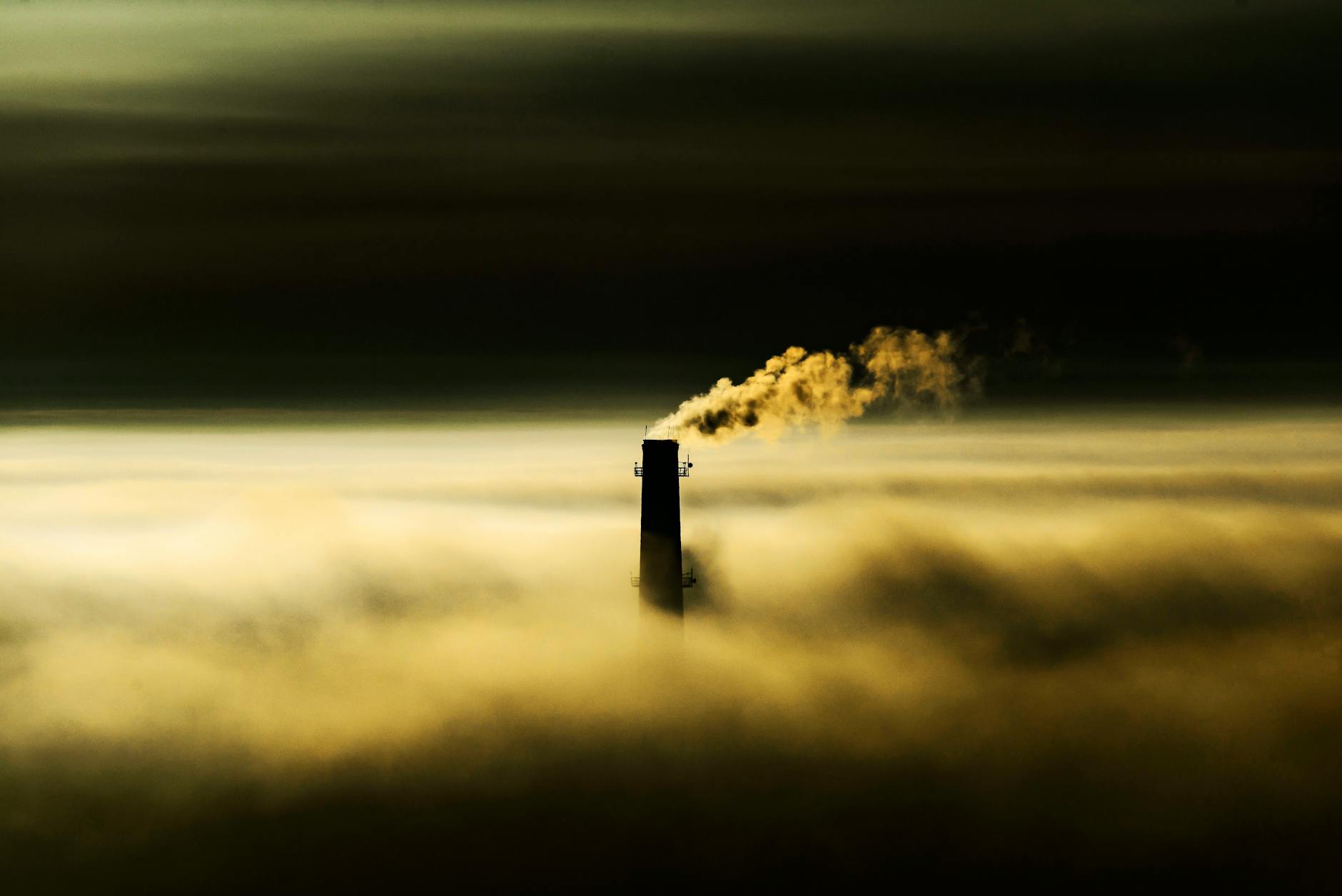
What happens when the power goes out during a heatwave, or a storm surge floods a downtown core? Net-zero doesn’t address how a building, or a city for that matter, will survive when nature pushes back harder than anticipated.
The climate crisis isn’t just an accounting problem where we can balance emissions like numbers on a spreadsheet.
It’s an unpredictable, evolving challenge that demands more than just reducing our carbon output. And that’s where resilient design comes into play—it’s about making our structures capable of adapting, evolving, and thriving amid instability.
What is Resilient Design?
At its core, Resilient Design goes beyond reducing energy use to address the bigger picture: it’s about creating spaces that can handle environmental shocks and keep functioning.

Whether it’s extreme weather, rising temperatures, or energy shortages, resilient design means building with flexibility and preparedness in mind.
The goal is not just to meet today’s environmental standards but to be ready for tomorrow’s unknowns.
It’s the difference between a building that conserves energy and one that can withstand a flood. Between reducing a carbon footprint and ensuring a neighborhood can recover quickly from a power outage.
Resilient design is proactive, not reactive, integrating adaptability into every aspect of a building. Think modular construction, flood-resistant materials, passive heating and cooling systems—these elements don’t just save energy, they protect lives and property.
Why a Localized Approach Matters
Of course, resilient design isn’t one-size-fits-all.
What makes a structure resilient in coastal cities—where flooding is a major concern—might not be as effective in Toronto, where we deal with increasingly intense winter storms and extreme temperature swings. Here, we need to consider how buildings can manage both heatwaves and the polar vortex.
The construction industry has an opportunity to design not just for net-zero, but for resiliency that takes local climate and community needs into account.
In Toronto’s dense urban environment, retrofitting older buildings isn’t just a sustainability measure; it’s a necessity.
Preparing our structures to handle climate extremes will not only save on future maintenance costs but also create safer living environments. As the saying goes, “Hope for the best, but design for the worst.”
Resilient Design as a More Sustainable Approach
While net-zero targets might seem like the holy grail of sustainability, they don’t guarantee long-term survivability.
What good is hitting zero emissions if the buildings we construct can’t withstand increasingly severe weather?
Resilient design pushes us to think beyond energy conservation to consider the long-term durability and adaptability of the built environment.
It’s about making sure our cities can endure and function in more volatile conditions—because the future we’re designing for is already here.
Final Thought
As climate challenges grow more intense, retreating to a cave might seem like the ultimate resilient design choice: temperature control, natural shelter, low energy consumption—it’s practically net-zero!
But since we’re not ready to revert to cave-dwelling just yet, it’s time to rethink how we build for the realities of today and tomorrow.
Net-zero might be a good start, but resilient design is where true sustainability lies. Because if we can’t weather the storms ahead, all those zeroes won’t mean much.
 Life Outside of Design Studio