
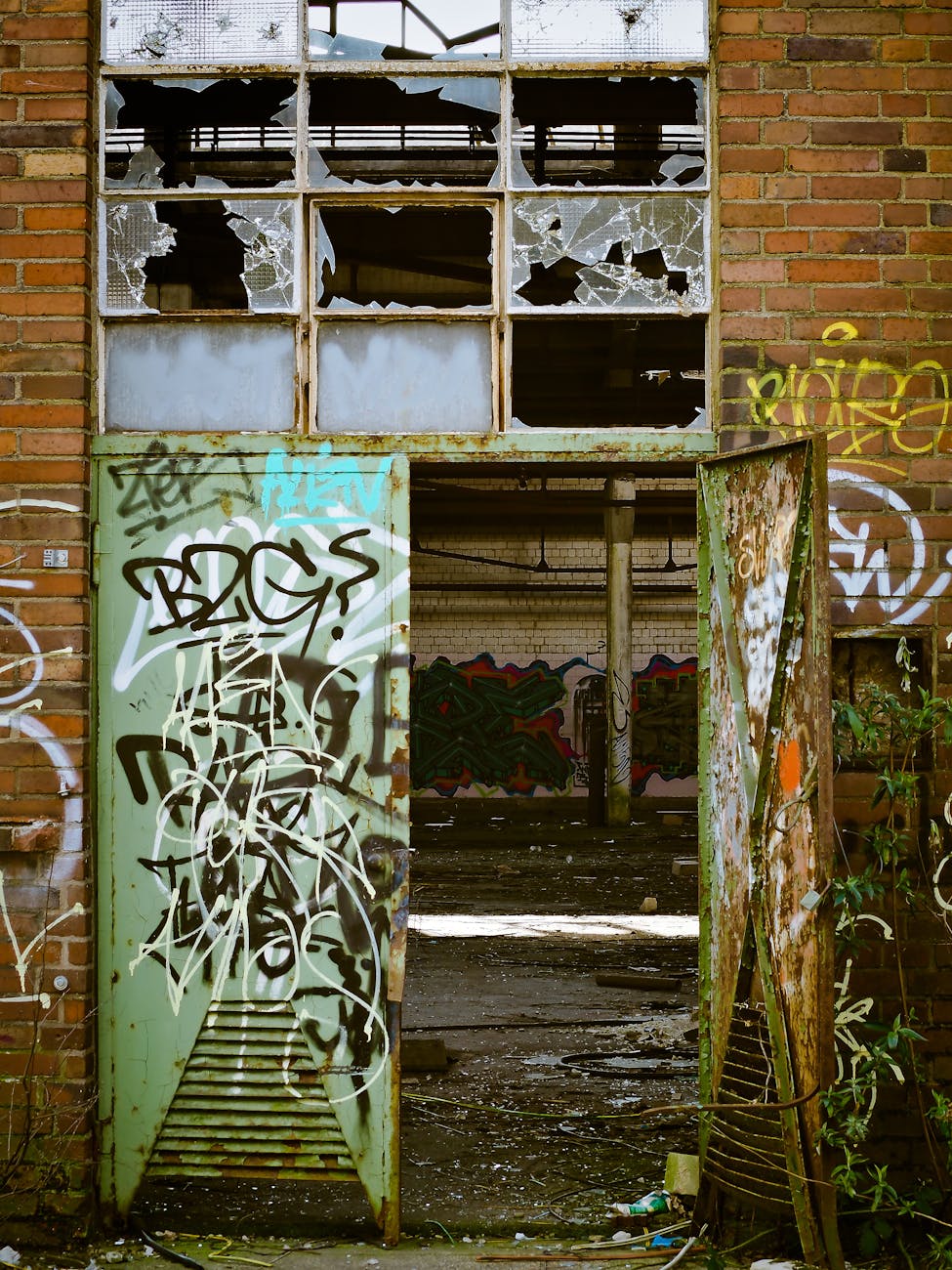
There’s an old, locked-up building near OCAD University where I’ve been teaching for the last three years.
Every day, I pass by and see its decaying exterior with rusted metal fences and locked doors. It’s hard not to wonder about its fate.

Has it always been this way, abandoned and overlooked? Or did it once have a purpose before it became part of the urban scenery no one pays attention to?
As an architect and instructor, I find my mind trailing off with the same questions.
Why has this building been sitting empty, especially in downtown Toronto, where space is as precious as it gets? Why hasn’t anyone transformed it, especially with all the headlines about housing shortages?
Even my students have noticed it. One even decided to make it the center of her thesis project—a beautiful, reimagined space for classrooms, housing, and those ever-needed areas for student relaxation.
Her plans included skylights and soothing meditation rooms, addressing both the practical needs of OCAD University and the mental well-being of design students (including those who endure my project deadlines).
Her presentation captured the essence of Adaptive Reuse: breathing new life into old structures to meet today’s needs.
What Is Adaptive Reuse?
Adaptive Reuse is more than an architectural buzzword; it’s the practice of taking old structures and transforming them for new uses.
Though it’s a familiar concept in design and construction, it’s experiencing a modern-day revival for practical reasons: the need for more housing, the urgency of climate action, and now, post-pandemic shifts in how we use workspaces.

Back in my student days, we saw Adaptive Reuse mostly as a way to make buildings visually stunning. Iconic examples like the Tate Modern in London and lively public markets like the Brickworks in Toronto transformed from derelict sites to celebrated cultural spaces.
Today, the stakes are higher. Adaptive Reuse isn’t just about making old buildings look cool; it’s much more than that.
Why Adaptive Reuse Matters More Than Ever
The pandemic changed our relationship with workspaces, leaving many office buildings empty.
Office vacancy rates have skyrocketed, creating a new set of questions:
What do we do with these empty buildings when we need more housing, especially affordable kind?
Adaptive Reuse could be the answer, converting unused office spaces into homes and community hubs.

But it’s not without its challenges. Financial constraints, outdated building codes, and structural hurdles make Adaptive Reuse projects tough to plan and execute.
Yet, as the saying goes, “the greenest building is the one that already exists.” It’s true now more than ever.
Final Thoughts
Adaptive Reuse has shifted from being a niche, visually captivating concept to an essential strategy for modern cities.
It’s a solution that tackles the pressing issues of sustainability and the demand for more housing.
Yet, like any complex undertaking, Adaptive Reuse comes with its challenges—financial strains, structural hurdles, and regulatory barriers that make it a daunting process.
But as my student passionately put it in her thesis, transforming that old, neglected building near OCAD into a space that serves the university would be a true “win-win” for everyone.
And I have to agree—turning unused structures into vibrant, functional spaces can benefit communities and contribute to sustainable development.
Of course, when it came time to discuss who would foot the bill for such an ambitious transformation, the room went quiet. Turns out, talking about funding is the universal conversation killer, including for yours truly. 😊
 Life Outside of Design Studio