
Final design presentations at the end of semester are a big deal.
They’re not just about displaying a completed project but revealing your stance, decisions, and personal growth throughout the semester.
I’m still in reflection mode, thinking back to last year’s final presentations, which took place in mid-December.
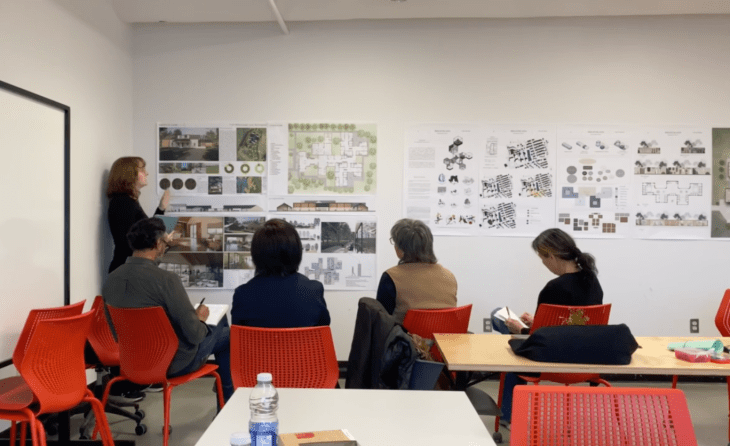
It’s kind of like a final exam—except you’re explaining your work out loud in front of a room full of people. That public speaking element adds an extra layer of stress, making it a defining moment for many students.
For the past three years, I’ve witnessed these critical days firsthand, observing the range of work students produce.
What I’ve come to realize is that final presentations often reveal more than design skills—they reflect a person’s approach to life itself.
Pushing to Go Higher: Taking Risks
Every year, there are always a few students who push themselves to a different level entirely.
Final presentations happen about two weeks after the last class, giving students roughly ten days to keep refining their work—or take a break. How they spend those days can drastically change the quality of their presentation.

Seeing the work pinned up on presentation day often tells me exactly how those days were spent.
Some students not only continue working but also take risks, experimenting with new ideas and pushing their projects in unexpected directions.
Changing core design elements so close to the finish line is risky—it can result in a less polished project or even a lower grade.
Two years ago, one student made a bold move, changing a significant part of their design approach just days before the presentation.
The project was underdeveloped, and I had to give a lower grade. Still, I was impressed by the student’s attitude—choosing growth over comfort.
This past semester, however, I saw the risk pay off.
One student, clearly unsatisfied with a design issue she’d been struggling with all term, made significant changes during those final days.
On presentation day, her work was not only expansive but demonstrated a clarity of thought I hadn’t expected—even as her instructor. She took a risk, and it elevated her project beyond expectations.
Staying the Course: Playing It Safe
Like in life, most students fall into this category (and yours truly included)
They stay the course, producing good—sometimes even impressive—work, but without taking creative risks.
The work feels comfortable, polished, and presentable. But often, it lacks the personal depth or sense of risk that makes a project exceptional.
Back in my own architecture school days, I had a similar experience during my thesis presentation. The project was everything—it was my defining work of the semester facing graduation.

The night before my final review, I had a sudden idea for a major design change.
But with only six hours left before the deadline, I decided to stick with what I had. I feared compromising my grade more than I valued creative exploration.
I stayed the course. I played it safe. The project was good. My grade was fine. But to this day, I wonder—what if I’d taken the risk?
Doing the Bare Minimum: Just Getting By
And then there’s the third group—the students who do just enough to pass.
At final presentations, their work often shows minimal progress from previous reviews.
There’s a lack of detail, depth, or even engagement with the feedback given throughout the term. Sometimes, their attendance throughout the semester has been inconsistent, and the work reflects that absence.
It’s not about a lack of talent but a mindset—doing the least required to move forward.
And while they may receive a passing grade, the learning and growth that come from pushing oneself remain untapped.
Final Thoughts
Reflecting on these three groups, it’s clear that the way students approach final presentations mirrors how people approach life.
Some push boundaries and take risks, some stay comfortably in the middle, and some aim only for the bare minimum.
The lesson I keep relearning? Growth often requires discomfort.
And just like final presentations, life can feel like you’re explaining your messy work to a room full of strangers while hoping your last-minute tweaks hold together.
But, at least there’s no grading in real life—just slightly judgmental stares from the audience. And coffee. Lots of coffee.
 Life Outside of Design Studio