
“What do you think about my ideas?”
It’s the question I get from my design students—usually at the beginning of their projects. They show me (very) rough sketches, accompanied by even rougher, nearly illegible notes, and expect an insightful response.
I pause, tilt my head, and give my most professional answer: “I don’t know.”
Because, honestly, I don’t.

This moment reminds me of the internal debate I have before going for a run. Most days, I don’t feel like running. It’s cold, it’s time-consuming, and my couch is right there. But some days, I convince myself to just put on my running shoes, promising that I’ll at least stop by my favorite coffee shop afterward.
And, somehow, by the time I return home—coffee in hand—I feel better, more awake, more alive.
Creativity works the same way. Ideas don’t come before you start. They come after.
The Beginning: Stuck Before You Start
Like running, the hardest part of creative work is just starting.
That’s when the flood of uncertainty hits:
- What’s the main idea?
- Where do I even begin?
- Do I even have ideas for this?
And in response, the brain does what it does best—avoids discomfort:
- “I’ll do more research first.” (Which turns into hours of reading but no actual work.)
- “Maybe I’ll warm up with something easier.” (Which conveniently means avoiding the real task.)
- My personal favorite, “I’ll start tomorrow.” (And tomorrow becomes next week.)
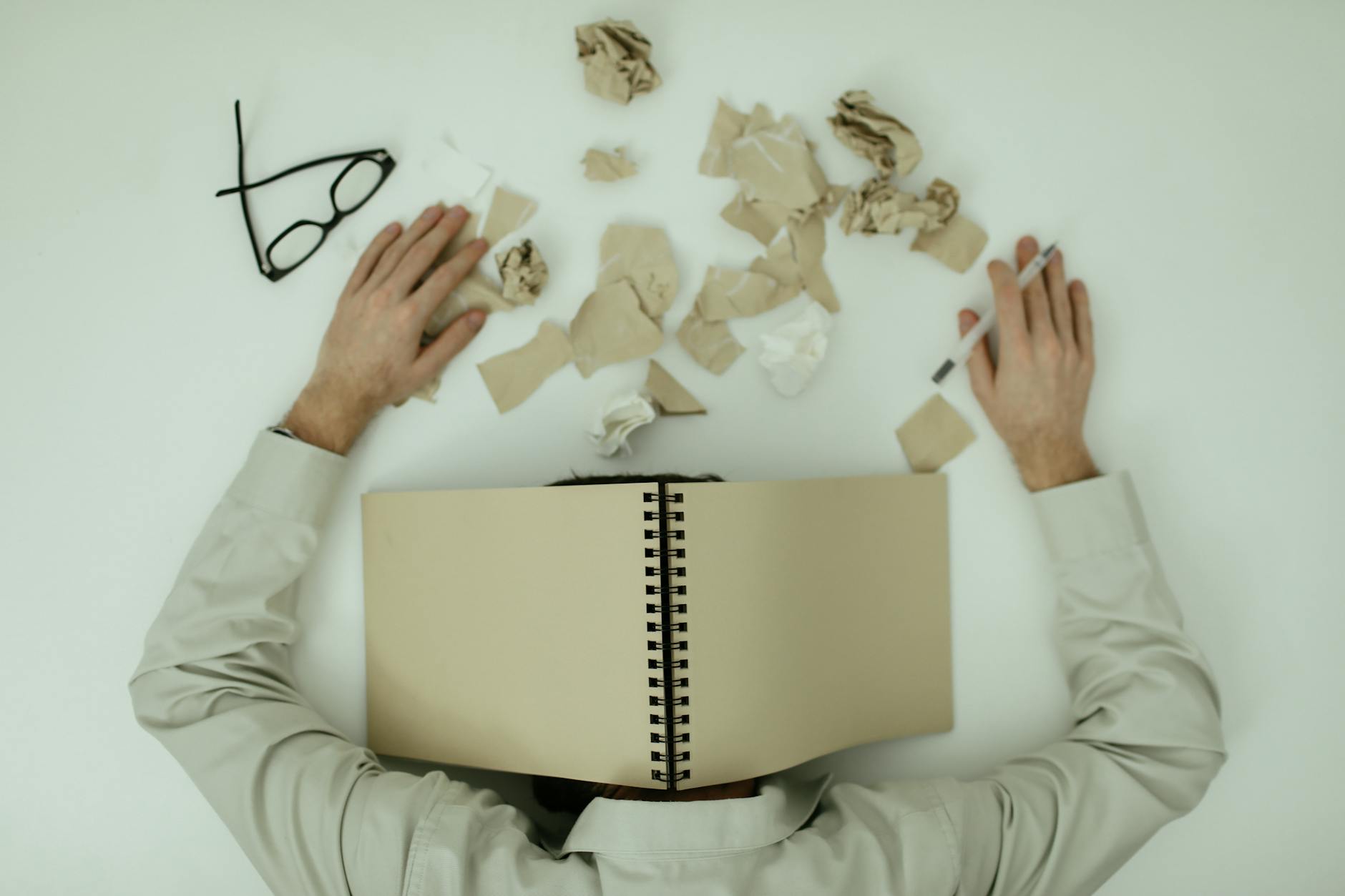
The funny thing is, the problem isn’t a lack of ideas.
It’s that ideas rarely feel solid at the start. The beginning is all hesitation, second-guessing, and staring at a blank page, waiting for inspiration to show up.
It never does. At least, not at the beginning.
The Messy Middle: When Things Get Worse Before They Get Better
If the beginning is an empty sketchbook, the middle is a cluttered one—filled with sketches, research notes, half-finished ideas, and a growing sense of frustration.
This is the part where it’s tempting to quit.
The excitement of a new project has worn off. The big, brilliant idea you thought you had doesn’t look as impressive anymore. And instead of clarity, you now have a pile of disconnected thoughts that need sorting.
The only way through? Keep going.

This stage is less about waiting for a breakthrough and more about putting in the work—rearranging, refining, and throwing out what doesn’t fit.
Just like the first few kilometers of a run feel awkward and slow, the creative process needs time to find its rhythm.
Clarity isn’t something you start with. It’s something you build by staying in the mess long enough to make sense of it.
The End: When Is It Actually Done?
“How do you know when your work is finished?”
My students ask me this all the time, expecting some profound wisdom.
My answer?
“It’s done when you run out of time.”
They always roll their eyes, but the truth is, creative work never feels 100% finished. Unlike math, where there’s a clear solution/correct answer, creativity is full of open-ended possibilities.
The real skill isn’t knowing when something is perfect—it’s knowing when it’s enough.
At some point, you just have to stop. Sometimes because of a deadline, sometimes because you’ve tweaked it so much that you’re making it worse.
Either way, finishing is a choice—just like starting was.
Final Thoughts
Creative ideas work like motivation. They show up after, not before.
And that’s the tricky part. You don’t get the satisfaction of a finished project unless you push through the discomfort of starting.
Just like putting on running shoes is the first step to running, picking up a pen (or opening a blank document) is the first step to creativity.
So, next time you’re waiting for the perfect idea? Just start—sketch something, write something, even if it’s terrible.
Worst case? You get a coffee out of it.
 Life Outside of Design Studio
l
LikeLike