
“You have to try it,”
one of my colleagues insisted, telling me the story how she’d composed a difficult email to her boss using ChatGPT. “It’s like having a first-draft writer who never gets stuck.”
That way how I introduced to AI writing tools a year ago.
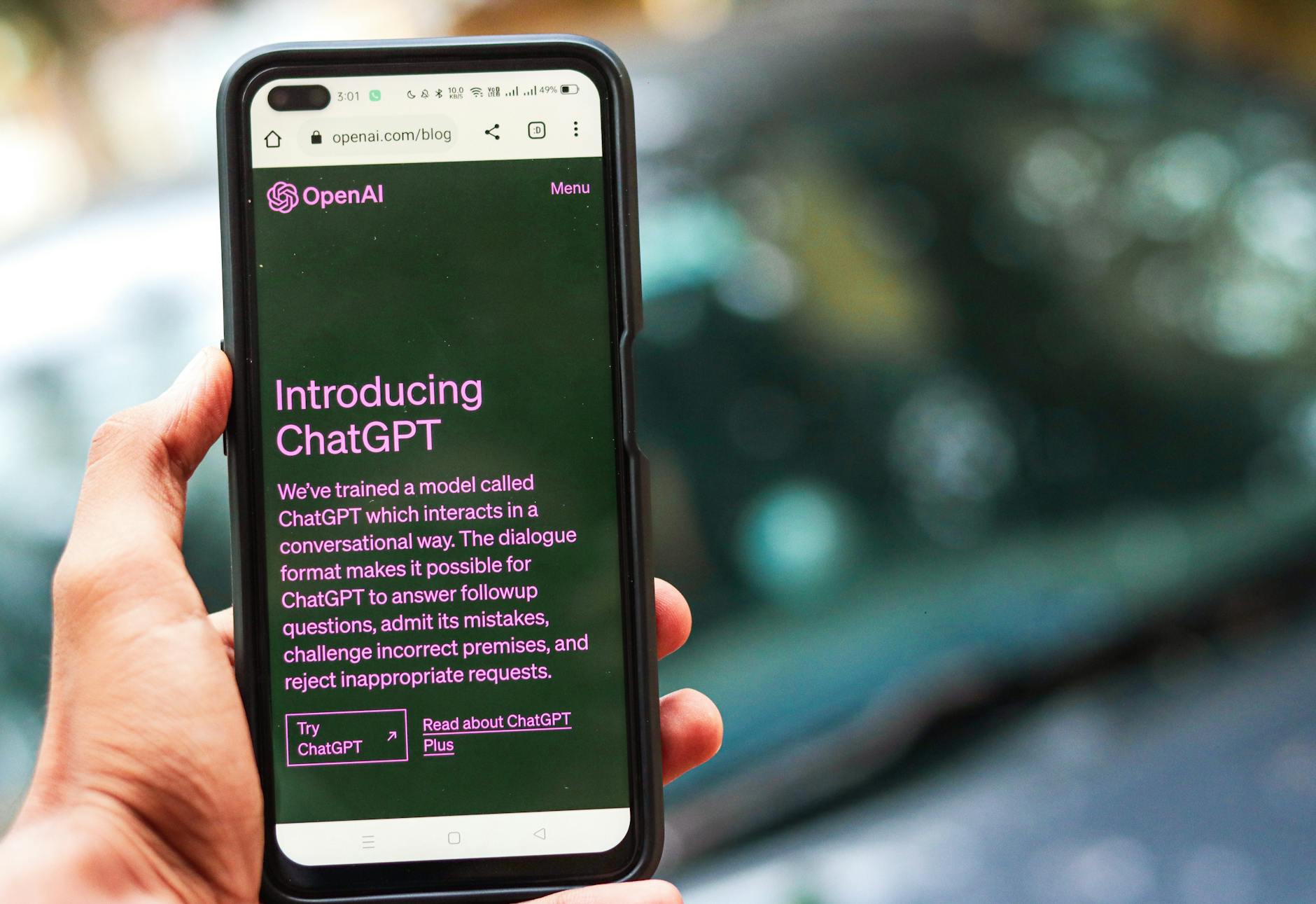
At the time, she insisted showing me how the process worked. I watched as she typed a few instructions, made minor adjustments to the generated text, and sent off a well-balanced message in under 15 minutes. The same task would have taken my entire morning—writing, rethinking, rewriting, and still feeling uncertain about the result.
Here’s what I learned about AI writing tools: they don’t actually save time—they just rearrange where you spend it.
And sometimes, they make you question your own writing process in unexpected ways.
The Sweet Honeymoon Phase That Doesn’t Last
That night, I created my account and started experimenting. The initial results were genuinely impressive. Seeing the cursor moving, letters becoming words, sentences…it was unbelievable. In minutes, I had outlines, paragraphs, even entire blog posts that previously would have taken me days to write.
“This is it,” I thought, “I’m never going to struggle with writing again!”
That was a year ago. Today, I’m on hour three of what was supposed to be “quickly drafting” a blog post due yesterday. I’ve gone from battling writer’s block to spending time correcting a virtual ghostwriter who almost sounds like me but not quite.
When “Quick” Drafts Become Time-Consuming
Remember when writing meant staring at a blank page? Now I stare at a full page wondering why none of it sounds like me.
The editing process has changed into something I never expected. I’m not simply fixing grammar or tightening sentences—I’m reviewing text that looks correct but lacks my personal voice. Every editing session becomes a strange exercise:
“Would I ever use this phrase in conversation?” “Is this actually how I would express this thought?” “ Why the words like delve, navigate, tapestry keep showing up”? By the way, I don’t even know what tapestry means…
The strangest part? I catch myself spending 30 minutes crafting the perfect prompt, then realize I could have written the actual paragraph in that time. But once I’ve invested in the prompt, I feel committed to making the output work.
The Unexpected Side Effects Nobody Warned Me About
Recently, my friend read something I’d written with AI assistance and immediately noticed something off.
“This doesn’t sound like you,” she said, looking more closely at my phone. “It sounds generic.”
She was right. AI writes in what I now think of as “standard professional” voice—clear, competent, but definitely lacking personality. Making these words truly mine requires substantial rewriting that sometimes feels counterproductive.
The unexpected challenge: the more distinctive your writing voice is naturally, the more time you’ll spend trying to recapture your personality in what the AI wrote. It’s like having someone else draft important messages on your behalf without really knowing your communication style.
Finding A Practical Middle Ground
Despite these challenges, I haven’t abandoned AI writing tools.
I’ve just adjusted my expectations from “time-saving solution” to “occasionally helpful writing assistant.” Besides, facing the blank screen seems much more scarier prospect.
Here’s how my approach to AI has evolved:
I use it when I’m truly stuck. When the words won’t come, having something to edit helps break through the initial block.
I’ve become more selective about what I keep. I might generate several paragraphs and keep only what truly fits my voice.
I’ve gotten better at identifying the “AI patterns”—those weird words or phrases and structures that don’t match my natural writing style . I remove these immediately.
Final Thoughts: A New Writing Process
These days, when my friend asks if I’m still using ChatGPT, I give her a practical answer.
“It helps with my emails,” I tell her, “but my blog posts still take just as long or possibly longer—I’ve just shifted from struggling to start to spending time editing content that doesn’t quite sound like me.”
My writing process hasn’t gotten faster, but it is different. Less blank-page anxiety, more focused editing work.
My blog posts take roughly the same (or more) time to complete as they did before AI. The distribution of that time has simply shifted—less staring at blank pages, more critical editing. Less writer’s block, more decision fatigue.
Maybe that’s the real lesson here. Technology doesn’t necessarily save time so much as it changes our workflow in ways we don’t initially expect. My writing now includes an initial draft that gives me something to work with, even if that means significant revision afterward.
And when something in my writing seems slightly off? I know it’s probably a remnant of the AI’s influence that I missed during editing. Even the best tools require a careful human touch 🙂
 Life Outside of Design Studio