
Originally published in 2023 – these observations about mental strength in design remain as relevant today as ever.
Over the years, I learned that creative work requires physical stamina.
Creating something from nothing requires sheer physical endurance; no pain, no gain as the saying goes.
Like the marathon runners enduring hours of exhaustion to reach the finish line, designers have to go through the same (ok, not quite the same level of exhaustion) long-depleting evolution.


As a micro/micro mini runner and a designer, I know the significance of mental strength required to complete these gruelling progression to reach the “finish lines.” ( or not)
Although many would agree that physically challenging activity like marathons requires both physical and mental strength, the same allowance is not afforded when it comes to creative work.
Maybe, we are too used to the images of some creative genius whipping out napkins and coming out with world-class design ideas. We are also partial to believe that genuinely amazing/world-changing creative ideas would not be coming from days/years of working on.
That would be the reason behind the importance of talent (rather than effort), especially in creative work.
The design process works in the same way. There are many different stages to reach the “finish line” of creation; coming up with the initial idea(s), developing those ideas, questioning those ideas…or worst, having to start all over again, hence the “going back to drawing board” expression.
During the challenging periods – running the long distance for runners or facing the white blank sketchbooks for designers – both runners and designers rely upon one significant element from themselves: mental strength.
With this “seemingly” abundant and universal quality all of us can have, only a few chosen ones can practice.
Here are the top 13 traits of mentally strong designers I have seen over the years. Some of these points are contradictory to one another, but then again, even those non-humans, like strong people, are not the same:-)
1. DON’T question their decisions once they make up their mind
This trait is crucial in any design work. Not only do designers have to make their creative work decisions, but they also cannot second guess themselves after those decisions are made.
The problem of constantly second-guessing oneself is generally unproductive (ex., Missing deadlines, being unreliable to others), but it is detrimental in design work.
Since you do not have the complete picture of your work (incompletion), your “early” assessment (second-guessing) may not be the correct course of action.
2. DON’T assume research as work
Every work, project, and to-do list requires some initial background work.
Some might take years (Ph.D. dissertations), and some might require 10 min googling (how to clean bathroom tiles without scrubbing?).
Although research is a necessary evil in any work, I have observed the negative consequences of too much research in design work. (been there, done that!)
It is so easy to stay in the research stage of the project because coming up (or making design decisions) feels uncomfortable.
What if we are wrong? What if we need to do some more research? And my personal favourite, “I have absolutely no idea what to do. (so I would stay in research cave a little longer…)
All of us designers (including yours truly) experience the uncomfortable feeling of our pristine white blank sketch pages facing back at us. Instead of putting pens on those pages, we head to our easy, comfortable Google Land.
After spending hours watching youtube videos of cats singing in the middle of “research” work, it just hit you.
You have made ZERO progress on the actual work.
3. DO start with an open mind at the beginning of design work
On the other hand, flexibility is required in one particular stage of design work: the beginning. This is the time you can approach your work with flexible, open-minded approaches,
Without any pre-conceived ideas/job approaches, spending time browsing the local library, visiting art galleries, or scrolling your computer screen could start your design process…even if you have no ideas how these random searches will help with your work.
4. DO promote their work
This is a huge one.
We designers are reluctant to talk about our work. It could be that all designers are modest, or we have been trained with the expression – work should speak for itself- too long.
However, this is wrong.
I saw one of my students who had a brilliant idea to showcase her final project at the end of the semester exhibition. Recognizing the best spot (front, centre of the exhibition space) she selected to highlight her project was an absolutely brilliant strategy.
I knew she had been a hardworking student throughout the semester. Still, her understanding of the marketing importance of her work was exceptional.

5. DO have an elevator pitch ready anywhere
Another student (who I did not teach) introduced herself to me at the same exhibition. She started with short background information about her architecture design project and herself: school for students with autism.
With that short, interesting intro, I wanted to know more. With that, I walked over to her project section and spent over 20 minutes discussing the project.
6. DO speak to strangers
This leads me to universal marketing wisdom: talk to strangers.
Generally, we designers are not good at speaking to strangers….especially about our work. There could be many reasons for these uncomfortable feelings; fear of criticism, inadequacy as designers…or maybe we are simply being modest.
We don’t want to boast about our work….the work should speak for itself, right?
Like the brave student I met at the recent exhibition, her simply taking the initiative to talk to a stranger (me), we both benefitted. She received additional feedback on her project, and I learned about particular requirements for designing students with special needs.
7. DON’T ask HOW questions; only ask WHAT questions
Design professors are notorious for being unclear when it comes to giving feedback. I have also practiced this fuzzy approach with my students.
I don’t like to provide HOW directions to students… instead, I would like to receive WHAT questions from students.
One of my students had the same philosophy. She did not want me to give her the HOW to directions because she did not want to be “influenced” in her design work.
She knew what she wanted(HOW) to do…she only needed me to verify certain technical (WHAT) aspects of her projects.


8. DO stay relentless in improving
This one is obvious. Being relentless in learning/improving is the foundation of any pursuit. Be better than yesterday, period!
9. DO have fun (even if no one else shares the same feelings)
Without this universal requirement in any creative work, being relentless is impossible.
10. DO start all over again
This is a contradictory one to the first point.
Although I started with the importance of not second-guessing, there would be moments when you must start all over.
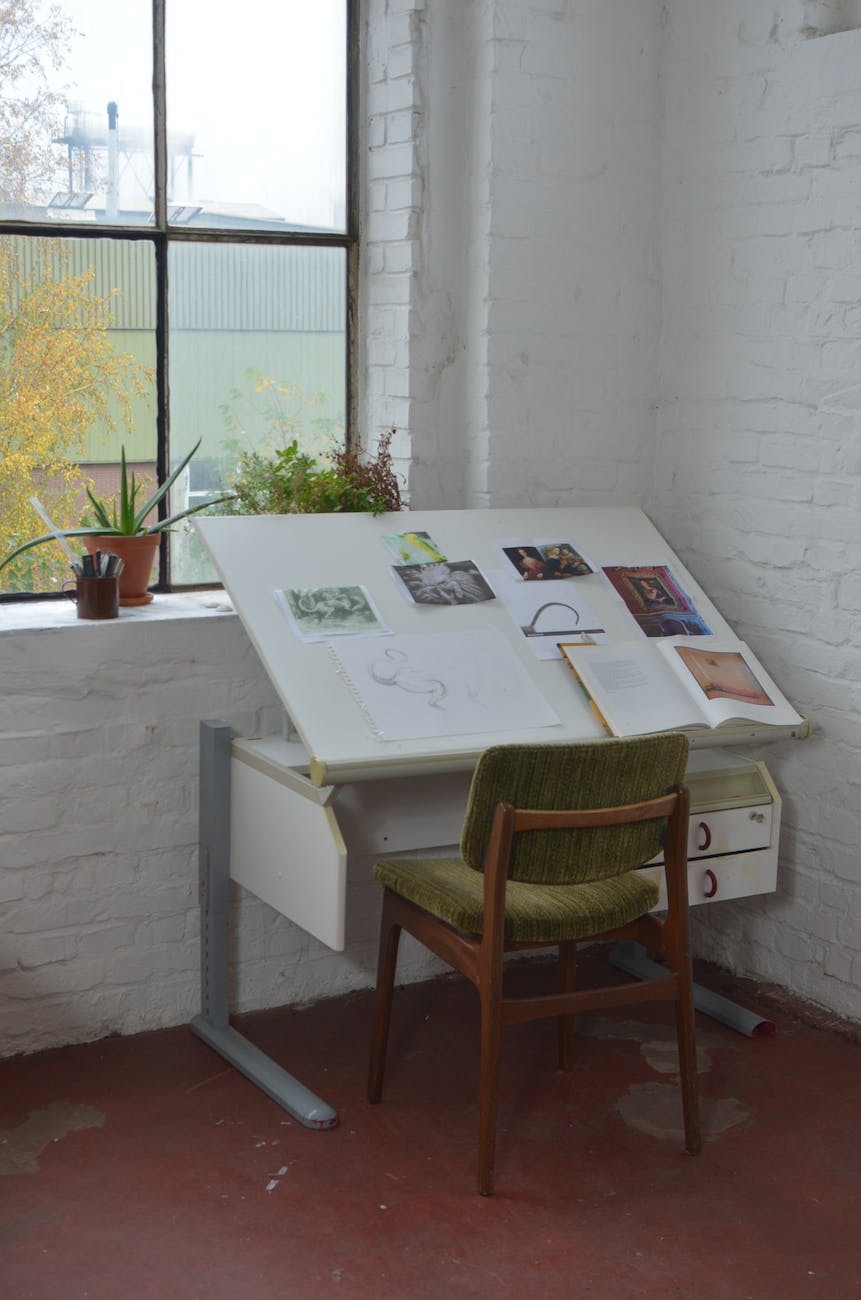
Realizing that your almost finished work is not where you wanted to end up is one of those challenging “going back to the drawing board” moments.
A rare number of mentally strong designers are the ones who can put the big X mark on what they created and start all over again.
11. DON’T care what other people think
It is not easy to not care about other people’s thoughts on our work.
We care deeply about our work….it is difficult to separate ourselves from our work. Hearing the negative assessment from others about work is not easy.
Not all negative assessments are equal; you have to be the one to question and decide whether those comments are valid. If they are, you take those constructive (but still hurtful) comments and improve your work.
If they are not valid, who cares:-)
12. DO question others
Also, remember, it is not only THEM who can question your work. You can also do the same for those people. You should be able to recognize the differences between constructive and destructive criticisms.
13. DO fight for your work
Ultimately, it is your job to believe in your work. If not, why would you spend time working, reworking, and suffering the negative feelings and thoughts?
Final Thought
The idea of an architect whipping out a napkin to quickly draw unique world-class design ideas is a story made up by non-architects. At least, that is how I (drawing, redrawing, lots of erasing architect) would like to believe.
The design process is not easy, quick, or painless…completely the opposite of the napkin story.
The entire process takes many days/nights (and all-nighters) to come up with and develop and finish….sometimes, we are not even happy with the final product.
Going through this emotionally unstable process requires the mind of a strong marathon runner, even if we are not blessed with fast running speed, physical forms, etc 🙂
 Life Outside of Design Studio