
Last month, a developer called me with what he thought was a simple request: “We had to let our previous architect go, but we’ve got drawings that are 80% done.
“We just need someone to review them and put their stamp on them so we can get permits.”
I paused, remembering similar conversations from years ago where I’d politely declined. This time, instead of polite no, but asked him three questions instead:
- How many change orders did your last project have?
- How many weeks did you lose to city rejections?
- And how much did those delays cost you?
The silence on the other end told me everything.
Here’s what I told him next: the fastest, cheapest, and lowest-risk projects I’ve worked on all started with the architect, not ended with one.
Your Timeline is My Timeline
Here’s something most builders don’t realize – architects who understand construction think in schedules, not just aesthetics.
When I start a project, I’m not just designing spaces; I’m designing a construction sequence.
Take foundation planning. While focusing on pretty elevations (I am a designer afterall), I’m also calculating soil conditions, drainage patterns, and utility conflicts before you break ground. That boring technical work? It’s what keeps your crews moving instead of standing around waiting for engineering solutions to problems that could have been solved on paper.
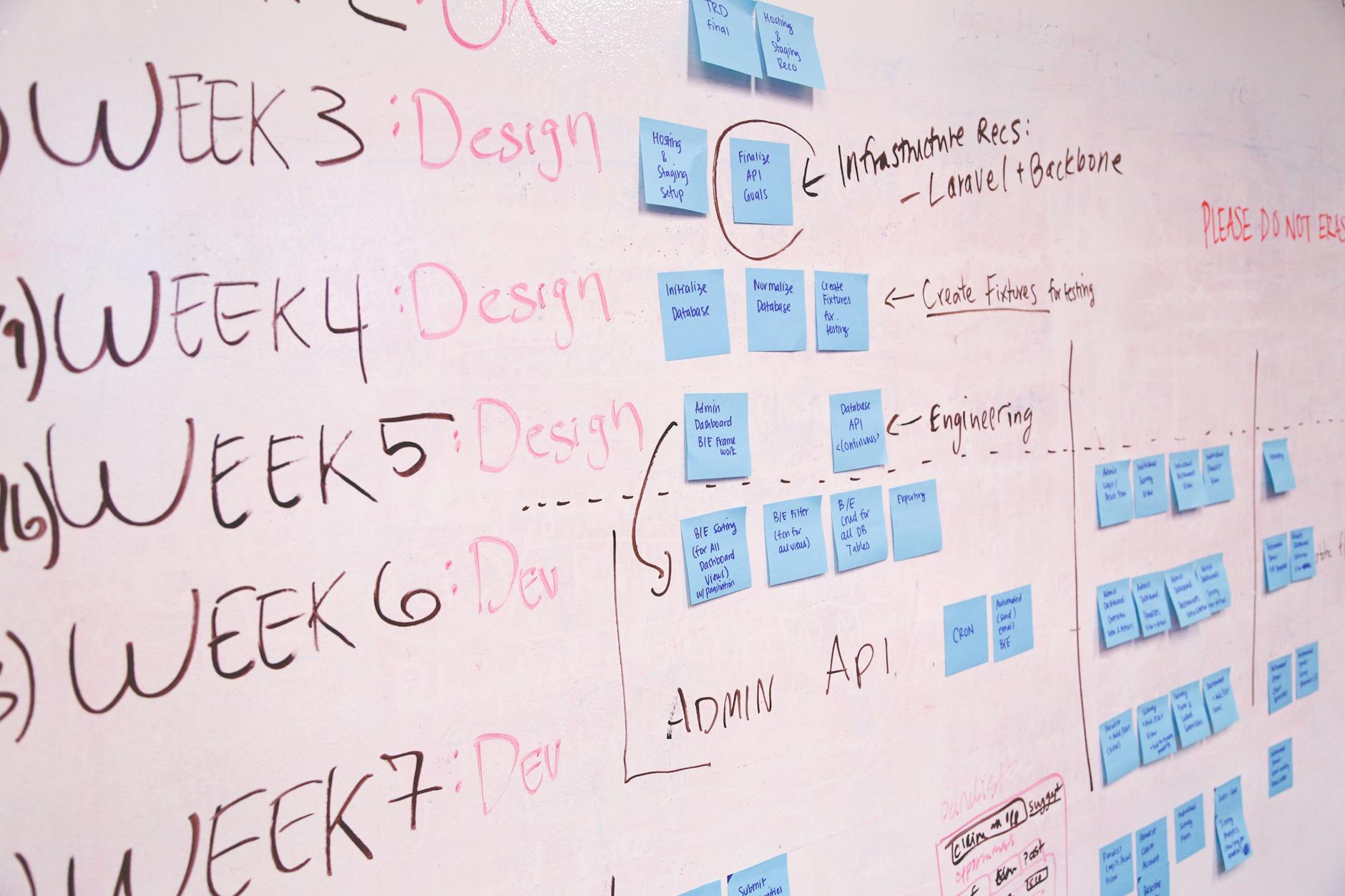
I have watched builders lose three weeks because their plans didn’t account for the electrical service location. Three weeks of labor costs, equipment rental, and delayed occupancy – all because nobody thought to coordinate utilities during design. When architects lead the process, we’re already talking to engineers, reviewing site conditions, and identifying potential roadblocks while thinking about materials costs.
The permit process moves differently when plans are complete and coordinated from day one. Building departments don’t send back half-finished drawings for revisions; they approve comprehensive packages.
Faster permits mean earlier start dates, which means earlier completion, which means faster returns on your investment.
The Real Cost Calculator
Everyone talks about how architects cost money. Let me show you how we save it.
Material waste drops dramatically when someone thinks through the building dimensions before ordering. I’ve seen framers order extra lumber “just in case” because the plans weren’t clear about structural requirements. When architectural drawings show exact specifications, your material costs become predictable instead of estimates with built-in buffers.
Change orders are profit killers, and most come from incomplete planning, not client whims.
When mechanical, electrical, and plumbing systems are coordinated with structural and architectural elements during design, your sub consultants aren’t discovering conflicts in the field.

They’re building according to plan instead of problem-solving with expensive labor hours.
Here’s the part that might surprise you: good architectural planning reduces your construction management time. Instead of coordinating between confused trades, you’re overseeing execution of a clear plan.
Your project management becomes about schedule and quality control, not constant firefighting and redesign.
The math is simple. Architectural fees are typically 8-12% of construction cost. Change orders and delays on poorly planned projects often exceed 15-20%. You do the math.
Risk Management Starts With Paper
Construction is risky enough without adding preventable problems. Architects don’t just design buildings; we design solutions to problems you haven’t thought of yet.
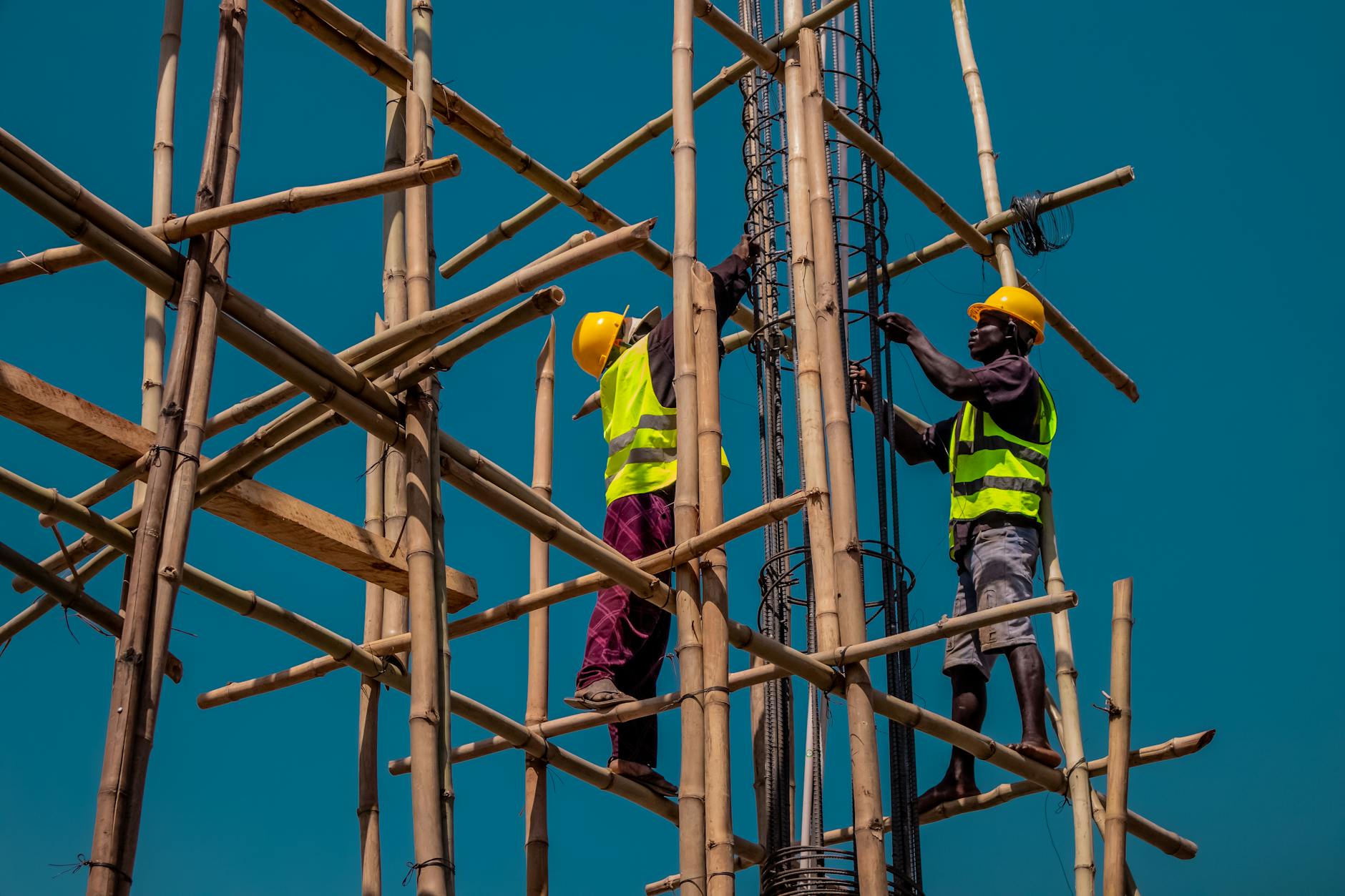
Building codes change, and what worked on your last project might not work on this one. When architects stay current with regulations, your projects don’t get halted for code violations that could have been caught during design review.
We’re not just drawing pretty pictures (we also focus on that too); we’re ensuring your project meets current standards before you invest in construction.
Site conditions vary, even in familiar neighborhoods. Soil reports, utility locations, setback requirements, height restrictions – these aren’t minor details when they affect your foundation design, electrical service, or building footprint.
Architects coordinate these investigations early, when changes are inexpensive, not after excavation starts.
Insurance and liability concerns also shift when professional design services are involved.
Comprehensive architectural plans and specifications provide protection for both builder and client. Problems that arise from incomplete or unclear documentation become expensive legal discussions. Complete professional drawings reduce ambiguity and protect your business reputation.
Final Thoughts
Remember that developer who called asking me to review and stamp someone else’s work? After our conversation, and my firm NO answer, he ended up finding another architect to stamp the drawings.
Six months later, he called again with a different request. This time, his first question wasn’t about timeline or budget, or worse, stampling someone else’s drawings. – it was about when we could start design work.
Apparently, speaking the same language isn’t that hard when everyone understands the math:-)
 Life Outside of Design Studio