
This summer, I read that Toronto approved sixplex zoning in certain neighborhoods. My first instinct? I immediately typed my home address into the city’s interactive zoning map.
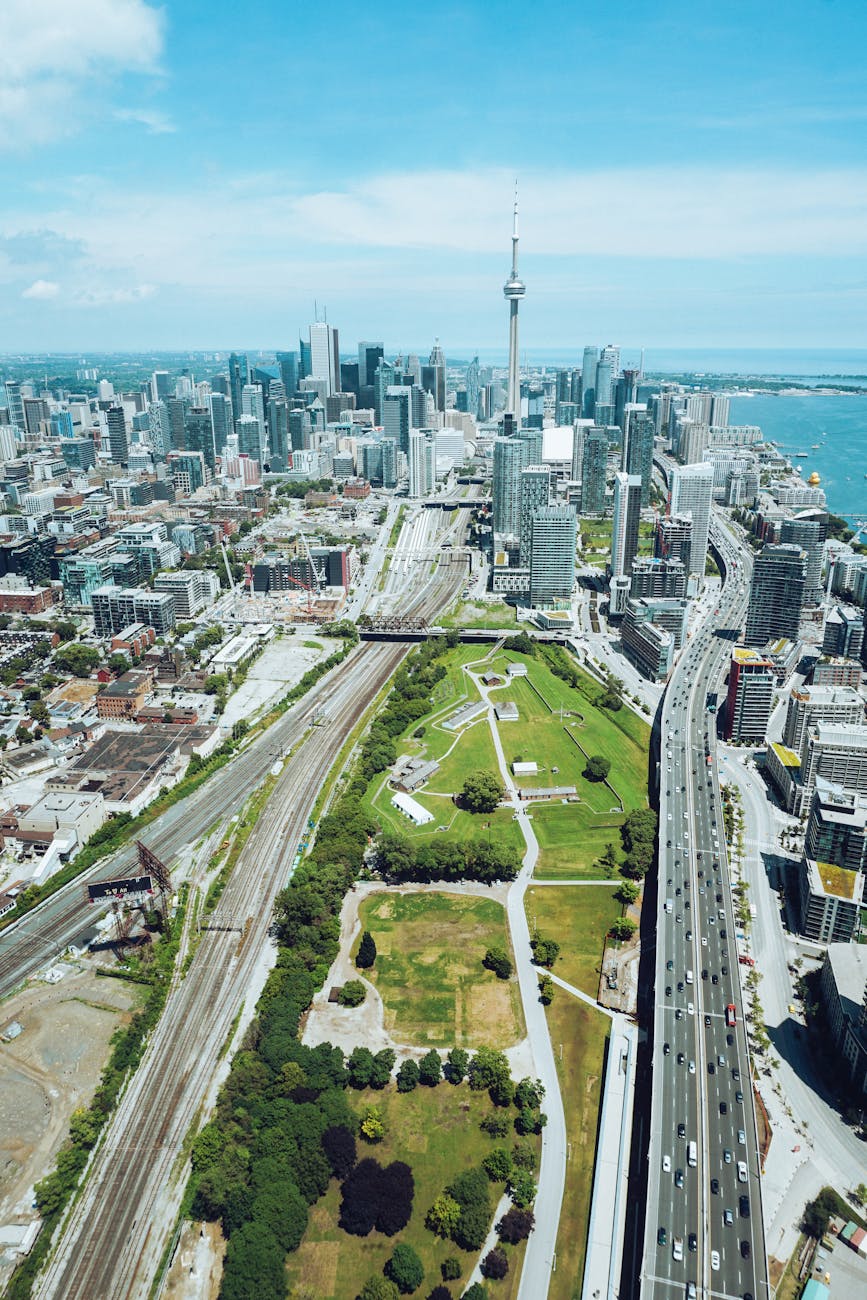
While waiting for the page to load, I felt this odd mix of anxiety and curiosity. Should we sell if our house falls under this new zoning? Would property values drop if our neighborhood fills up with six-unit buildings? The character of our street—small houses, mature trees, the usual suburban quiet—would change into something strange, with taller buildings popping up seemingly at random.
When the map loaded, I felt relieved. Our address wasn’t in the sixplex zone.
It was an unmistakable NIMBY moment. Not my proudest realization as an architect who lives in a city with constant housing shortage headlines. I should know better. Increasing housing supply isn’t just politicians’ work; it’s something all of us need to care about for future generations.
But there I was, relieved that the change was happening somewhere else.
What the Sixplex Bylaw Actually Is
The sixplex zoning bylaw was approved by Toronto City Council in June 2025. It allows up to six residential units on single lots, but only in specific areas: downtown Toronto, East York, and Scarborough North. The rest of Toronto remains capped at four units.
This wasn’t Toronto’s first step toward what planners call “gentle density.” Back in May 2023, the city approved fourplex zoning city-wide, allowing up to four units on any residential lot. That change was significant—70% of Toronto’s residential areas, which previously only allowed single-family homes, could now accommodate duplexes, triplexes, and fourplexes without rezoning applications.
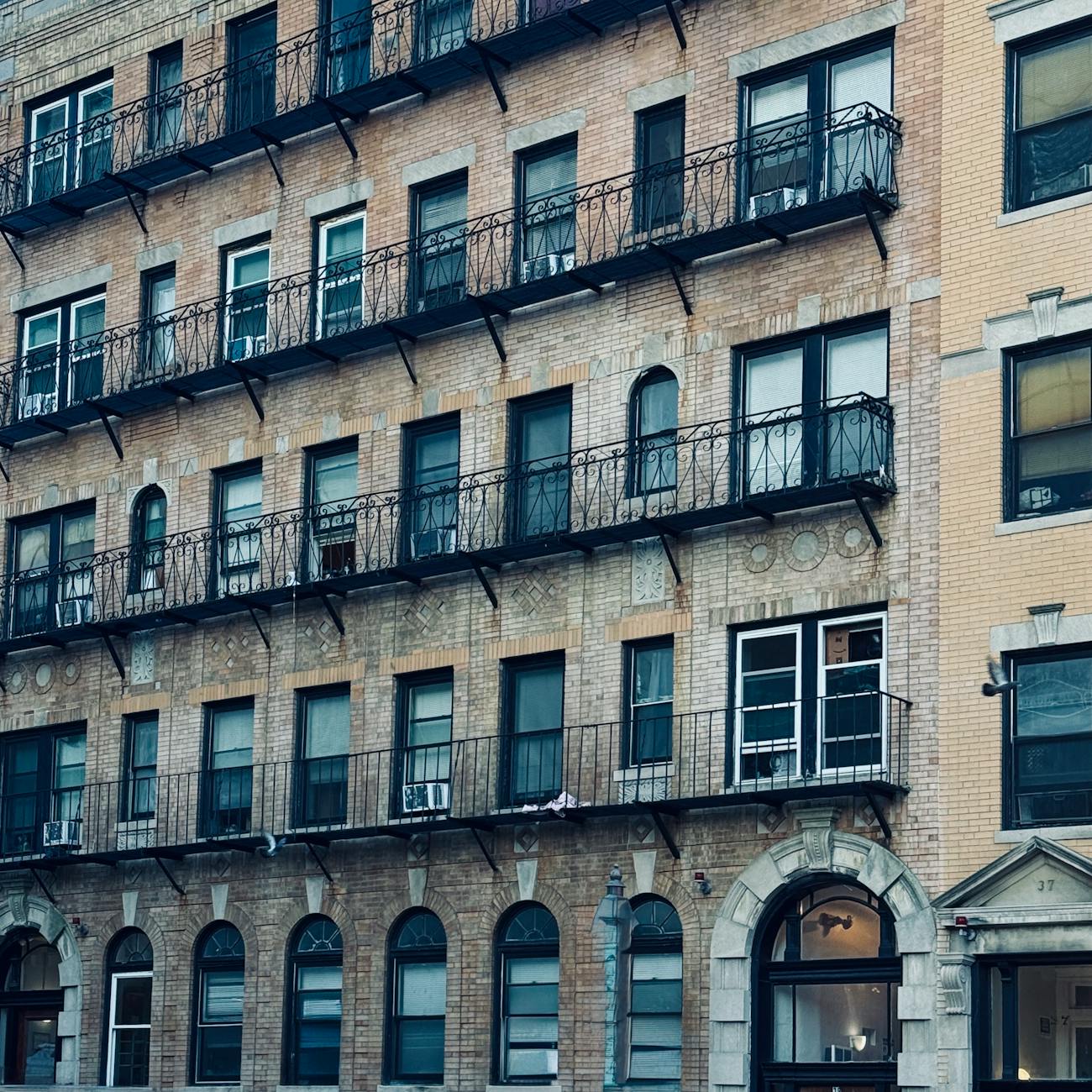
My neighborhood falls under that 2023 fourplex rule. We’re not in the new sixplex zone, which explains my relief when I checked the map.
Both changes are part of Toronto’s Expanding Housing Options in Neighbourhoods initiative, tied to the federal Housing Accelerator Fund. The city committed to adding 285,000 new homes by 2031. The sixplex bylaw is one tool to hit that target without building high-rises everywhere.
The rules are straightforward: buildings can go up to 10.5 meters (roughly three to four storeys), development charges are waived for units up to six, and no parking is required. The goal is to add housing that blends into existing neighborhoods rather than transforming them completely.
Can gentle density like this actually reduce NIMBYism? I think it can, for three reasons.
1. The Previous Change Makes the Next One Easier
When Toronto first approved fourplexes in our neighborhood, there was resistance. I remember the uproar. People worried about traffic, parking, loss of neighborhood character—all the usual concerns.
Now there’s a fourplex under construction a few blocks from my house. The site used to have three or four single-family homes. Every time I pass by, I imagine how the immediate neighbors must feel: construction noise, dust, blocked sunlight, and most importantly, watching this new building stick out in a sea of single-family houses.
But here’s what I’ve noticed: the huge uproar doesn’t seem that huge anymore. The construction is happening. Neighbors are adjusting. Life goes on.
Now with the sixplex bylaw approved for other parts of the city, that fourplex in our neighborhood doesn’t seem like such an abrupt change. We already went through the shock of single-family homes becoming fourplexes. The idea of “a little bit higher” in areas that already have fourplexes feels less threatening.
Each change prepares us for the next one. The density already exists in some form—we just didn’t notice it because it happened gradually.
2. Time Dulls the Fear of Change
Like everything in life, we get used to things over time.
Think about how much has changed in the last decade. Learning to ask Google instead of people. Getting AI to draft uncomfortable work emails. Networking through screens instead of in person. A few years ago, the idea of typing our deepest thoughts into a machine and getting thoughtful responses would have seemed absurd.

Yet here we are. These changes—none of them gentle—arrived whether we liked them or not, and we adapted.
NIMBYism works the same way. It requires time, often much longer than we’d like, to get over the initial resistance to new changes.
The city’s sixplex zoning is another incremental shift that prepares us for more changes ahead.
Right now, the bylaw only applies to certain parts of the city: downtown, East York, and Scarborough North. These areas already host century-old triplexes and walk-ups. These neighborhoods will likely be more open to slightly taller buildings. At minimum, they’ll have a harder time claiming sixplexes “don’t fit the neighborhood character.”
The strategy is smart: start where resistance is lowest, let people see it works, then expand. Time becomes the gentle part of gentle density.
3. Clear Policy Removes the Need to Fight Every Project
Living in a democratic society means listening to a lot of people, even when you disagree with them. That’s exhausting when it comes to housing debates. Every development proposal becomes a referendum on whether we should build more housing.
With clear decisions like the sixplex bylaw, the debate shifts. It’s no longer about whether we should allow more density—the city has decided we should. Now it’s about how to implement it well.
Multiple levels of government are aligned on this. Federal and provincial financing efforts like the Housing Accelerator Fund are tied to building more housing. Cities that adopt measures like the sixplex bylaw get funding. There’s financial pressure to meet housing targets.
This top-down approach, combined with the gentle density strategy, means changes won’t be abrupt.
With gradual implementation across different neighborhoods, there’s less reason to organize opposition. The fight becomes less about “yes or no” and more about “how and when.”
That reduces the space for NIMBYism to operate. When the policy is settled, people move on to other concerns.
Why This Matters for Toronto’s Future
NIMBYism exists in every city.
People don’t like changes in their neighborhood, especially abrupt ones. But we all agree on this: change comes whether we’re ready or not.
Toronto’s sixplex zoning bylaw is one of those necessary changes, arriving in a format designed to help us adjust. The fourplex zoning came first. Some neighborhoods will get sixplexes. Over time, we’ll see if they work. If they do, the next wave of density will feel less threatening.
I design residential projects and work with developers on multi-unit buildings. I understand the economics and the planning arguments. I know we need more housing. But checking that zoning map this summer reminded me that knowledge doesn’t make you immune to NIMBY instincts.
The relief I felt when my address wasn’t in the sixplex zone was real. So was the immediate realization of what that relief meant about my own bias.
Maybe that’s the real test of gentle density: not whether it eliminates NIMBYism completely, but whether it gives us enough time to recognize our resistance, understand where it comes from, and slowly get comfortable with what needs to happen anyway.
I still feel relief that our house isn’t in the sixplex zone. But seeing the fourplex construction in our neighborhood has trained me to be a more open-minded NIMBY. In five years, I might check that map again and feel differently about what I find.
At least I hope so.
I’m an architect in Toronto working on residential and mixed-use projects. If you’re planning multi-unit developments and want to discuss how new zoning regulations affect your projects, feel free to reach out.
 Life Outside of Design Studio