
Asking a personal friend to become a client is not a comfortable thing to do.
But years ago, just as I was starting my architecture practice, I did exactly that. I knew the most important thing at that stage was finding a client, so I went through my contacts looking for anyone who might lead me there.
Most of my professional network had moved on while I was living in New York, so the list was thinner than I hoped. Scrolling through, I spotted a friend I remembered as a business major who had gone on to get his MBA. We hadn’t spoken in years. I called him anyway, the old fashioned way, because yes, the phone was still a thing back then.
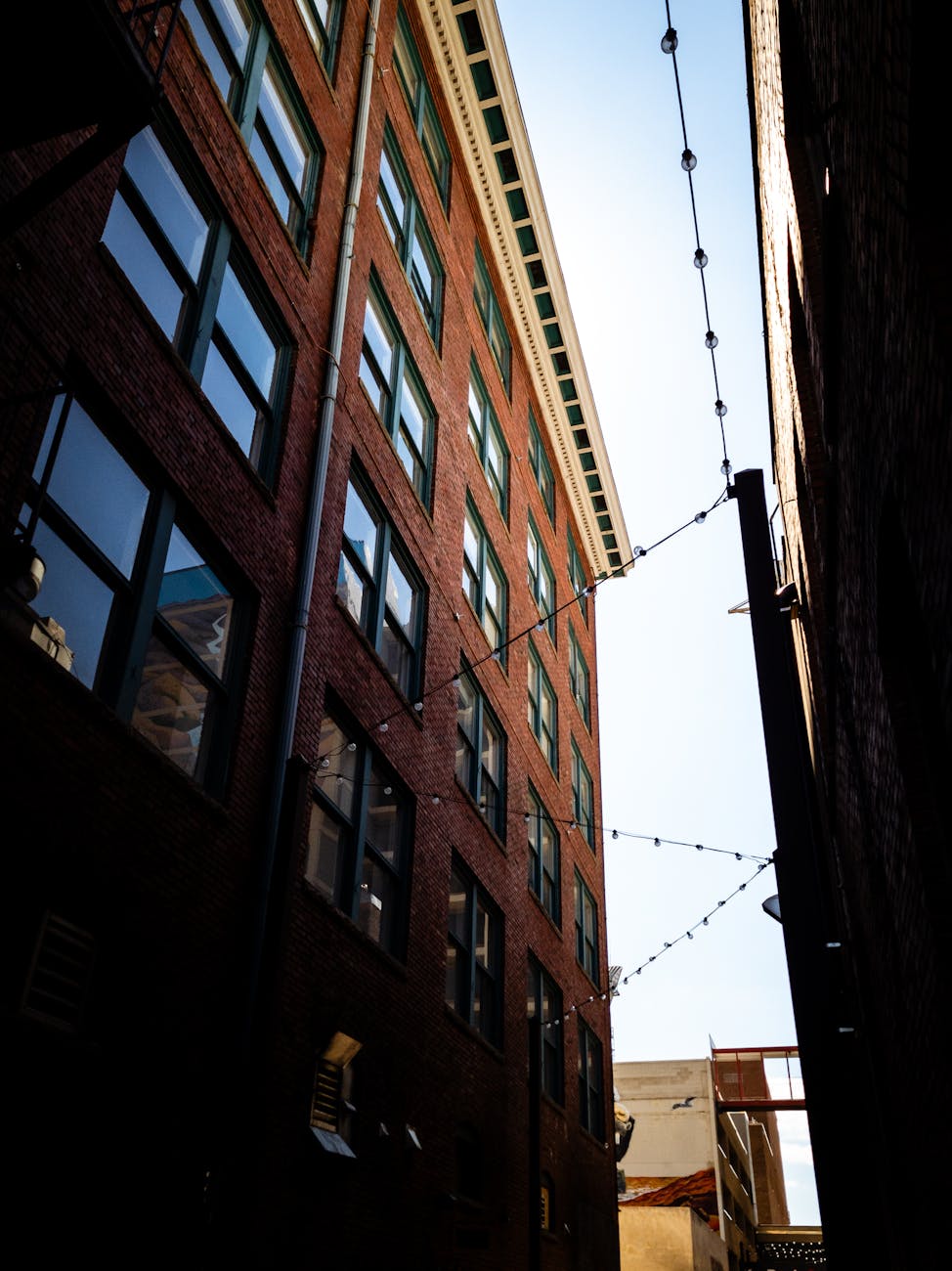
He was working for a development company and thinking about starting his own. He was generous with his time and walked me through a specific project he had in mind: a mid-rise building.
He shared the financing, the schedule, the projected returns, essentially everything with a dollar sign attached. Then, after laying out all of it, he said something that has stayed with me ever since. He told me that with those pro forma projections in place, I could go ahead and do the design work.
What he meant was that the real decisions were already made. Design just needed to fit in.
That conversation was my introduction to a pattern that shows up across many project types, but hits mid-rise development particularly hard: the assumption that design is something you do after the important thinking is finished.
And that assumption, more than bad luck or a difficult market, is where projects quietly start losing money.
Wrong Map, Wrong Decisions
My developer friend was not wrong to think the way he did.
His entire professional background had trained him to start with the numbers: pro forma first, everything else after. Within that framework, design felt like execution, not input.
But some of the most expensive problems in mid-rise development start well before any design happens, in the data being used to make decisions. Most unit mix decisions in mid-rise borrow from high-rise market research because that is what exists, what feels reliable, and what lenders recognize.
The problem is that mid-rise attracts a meaningfully different buyer and renter profile than a downtown condo tower. Someone choosing a six-storey building on a mid-block infill site is not making the same decision as someone buying on the 34th floor of a high-rise.
Applying one dataset to the other is like using highway traffic counts to predict how busy a side street will be.
The mismatch rarely shows up immediately. It surfaces later, when certain units sell slowly or sit long enough that quiet discounting becomes the only way to move them. By that point, the design has been locked for months and the opportunity to course correct is long gone.
The map was wrong from the beginning, but nobody checked it against the actual terrain.
The Pro Forma and the Design Are Not Having the Same Conversation
Pro formas and design both deal in projections.
They are both attempts to predict outcomes before anything physical exists. But in practice they rarely move in the same direction, and in mid-rise development that gap tends to be expensive.
Most pro formas get built backwards: the target return comes first, and everything else gets squeezed to fit. Unit sizes shrink, amenity programs get cut, structural decisions get deferred, all in service of a number that was set before anyone asked whether the building could actually deliver it.

Architects often see this disconnect early because the physical reality of the building makes certain assumptions impossible to ignore. A floor plate only works so many ways. Mechanical rooms go somewhere. Units need light.
I experienced this directly on a project early in my practice. I could see that what the client needed from the design and what the numbers assumed were heading in different directions.
I flagged it once, quietly, and then let the project momentum carry us forward. That choice came back later, at construction, in the form of costs that neither of us had budgeted for.
The conversation I avoided in the design phase turned into a much harder conversation on site.
Pointing out that the pro forma and the design are telling different stories can feel like pulling a fire alarm in a quiet room. But the alternative is waiting until the building tells you itself, which it always does, just at a much higher price.
You Are Already Paying for Early Design Thinking
Here is the argument developers rarely hear framed this way: skipping early architect involvement does not actually save that money. It gets spent anyway, just later and less efficiently.
One of the more common patterns in mid-rise development is the unit mix decision made entirely from market research, with no design input in the room.
A report recommends maximizing one-bedroom units based on downtown condo data, the numbers look defensible, and the decision gets locked. What the report cannot tell you is whether the building’s floor plate can actually deliver that mix without producing units that are narrow, poorly lit, or awkward enough that buyers hesitate.
By the time that reality surfaces, it shows up as slow sales and quiet discounting, both of which cost more than an early design review would have.
The same logic applies when design problems surface late in the process. A mechanical room ends up in the wrong location, and several units on every floor become difficult to sell because of noise.
Fixing it at working drawing stage means change orders across multiple consultants, and the cumulative cost of that correction routinely exceeds the early design fee that was trimmed to keep the budget lean.
Early architect involvement is not an argument for spending more. The money is already in the budget, it is just currently going to permit expediters, change orders, and carrying costs on delays that compound until they become hard to ignore.
Bringing design thinking in earlier is a reallocation, not an addition.
The perception that design is expensive is understandable, but in mid-rise development the more accurate statement is that design deferred is design paid for twice.
Final Thought
My friend and I never did end up working on that project together.
The development did not move forward, and we have not had that conversation since. But what he shared with me that day, without intending to, was a clear picture of how mid-rise developers think about design, and why that thinking tends to cost more than it saves.
As Toronto pushes toward more mid-rise construction to address housing shortages, that conversation is going to repeat itself across hundreds of projects. The instinct to lock the numbers first and fit the design in after is understandable, but the building has a way of pushing back eventually.
Mediocre is not cheaper in mid-rise, in business, or in most things.
It just moves the invoice to a moment when you have much less room to absorb it. Which means the most expensive words in development are probably the ones said quietly at the end of a meeting: “that’s probably fine.”
 Life Outside of Design Studio