
I just need someone to design the house.”
Potential clients calls you, all confident and ready to start building their dream home. They say, “I’ve already got a fantastic contractor lined up.
Wait, what?

This scenario plays out in my architecture business.
The client, introduced by a mutual acquaintance, had been through quite an ordeal—his house had partially burned down, and the city revealed it didn’t meet building codes. After countless contractor estimates, he decided to rebuild from scratch.
He emphasized doing everything “right this time.” Yet, when I asked the usual questions about his new house’s location, size, and design preferences, he cut me off with, “I don’t need anything fancy… JUST a house.”
JUST. That word again.
I explained, as calmly as possible, that I needed more details to design even a basic house.
Then came the kicker: “Well, the design shouldn’t take too long, so just let me know your fee.”
At that moment, I checked my phone, realizing I’d spent 15 minutes on this call—time that could have been spent on another project. I thanked him for the call and suggested he find another architect.
This encounter made me ponder why design often goes undervalued compared to construction.
Here are six reasons why this might be the case today.
1. Perception of Design as a Non-Essential
In the hustle of building, design is often seen as an add-on rather than a necessity.

Alex Bozikovic, in a Globe and Mail article, highlights how Ontario public schools are built with minimal attention to design. He argues that good design doesn’t have to be expensive, a sentiment I fully endorse.
Yet, “good design” frequently gets lumped together with words like expensive and unnecessary.
This misconception leads to the idea that bad design is cheap and necessary.
In reality, many poorly designed buildings are neither cheap nor functional. Just look at the cookie-cutter condos and townhouses in Toronto that ignore their surroundings.
2. The DIY Design Myth
Many people believe that anyone can design, thanks to DIY culture and the influence of home renovation shows.
Home Depot’s “You can do it, we can help” slogan and countless TV shows make it look easy to transform spaces.
Watching these shows, it’s satisfying to see a dilapidated house turned into a gem in just 30 minutes.
But this glosses over the complexity and skill involved.
As I watch another reno show, yelling, “It’s all lies!” I can’t help but wonder why there’s no show for building a condo in 30 minutes. This DIY mentality undermines the expertise required for good design.
3. Designers Undervalue Themselves
We, as designers—whether architects, interior designers, or graphic designers—often undervalue our own work.
In architecture school, I asked why architects don’t earn like lawyers or doctors. My professor explained that this goes back to the Renaissance, when artists like Michelangelo were celebrated for their talent but lived modestly.
The “starving artist” trope persists today.
Despite the rigorous education and training required, many designers cut their fees to compete.
Imagine if lawyers or doctors did the same. Or if developers launched projects without ensuring a profit margin!
This undervaluation of our work needs to change if we want the industry to respect our skills and expertise.
4. Misunderstanding of the Design Process
Many people see design as a quick sketch or a simple floor plan, not realizing the amount of thought, research, and iteration that goes into creating a functional and aesthetically pleasing space.
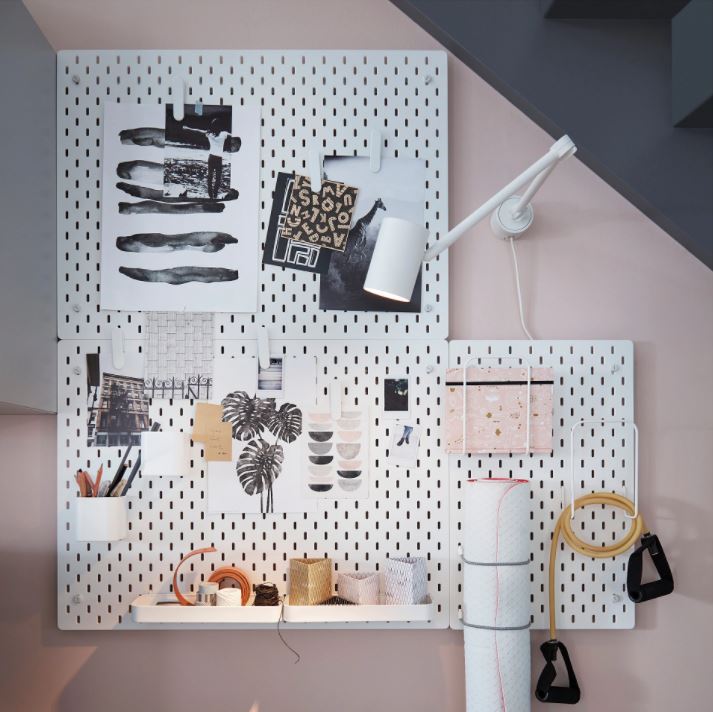
This misunderstanding leads to the perception that design is easy and not worth paying for.
Clients often don’t see the hours spent revising plans, considering structural constraints, and balancing aesthetics with functionality.
5. Short-Term Cost Focus
Clients and developers often focus on short-term costs rather than long-term value.
Good design can save money in the long run through energy efficiency, reduced maintenance, and increased property value.
However, these benefits are not immediately visible, leading to a preference for cheaper, quicker solutions.
This short-sighted approach undermines the long-term benefits that thoughtful design can provide.
6. Lack of Education on Design Benefits
There is a general lack of education among the public about the benefits of good design.
Many people don’t understand how design impacts their daily lives, from the functionality of their home to their overall well-being.
Sharing information with clients on how design can improve their quality of life, increase productivity, and create more sustainable environments is crucial in changing the perception of design as merely an aesthetic choice.
Moving Forward
The perception of design must evolve.
It’s not just about making things look good; it’s about creating functional, efficient, and inspiring spaces.
As designers, we need to advocate for the value we bring and educate clients on the importance of thoughtful design. Only then will we see a shift in how design is valued.
What do you think about the evolving value of design? Do you agree or disagree with my thoughts? I’d love to hear from you, especially those in the design community. Share your opinions in the comments, and I promise to respond to every single one.
 Life Outside of Design Studio