
Last month, I received a LinkedIn message that made me pause: “What are you up to these days?”
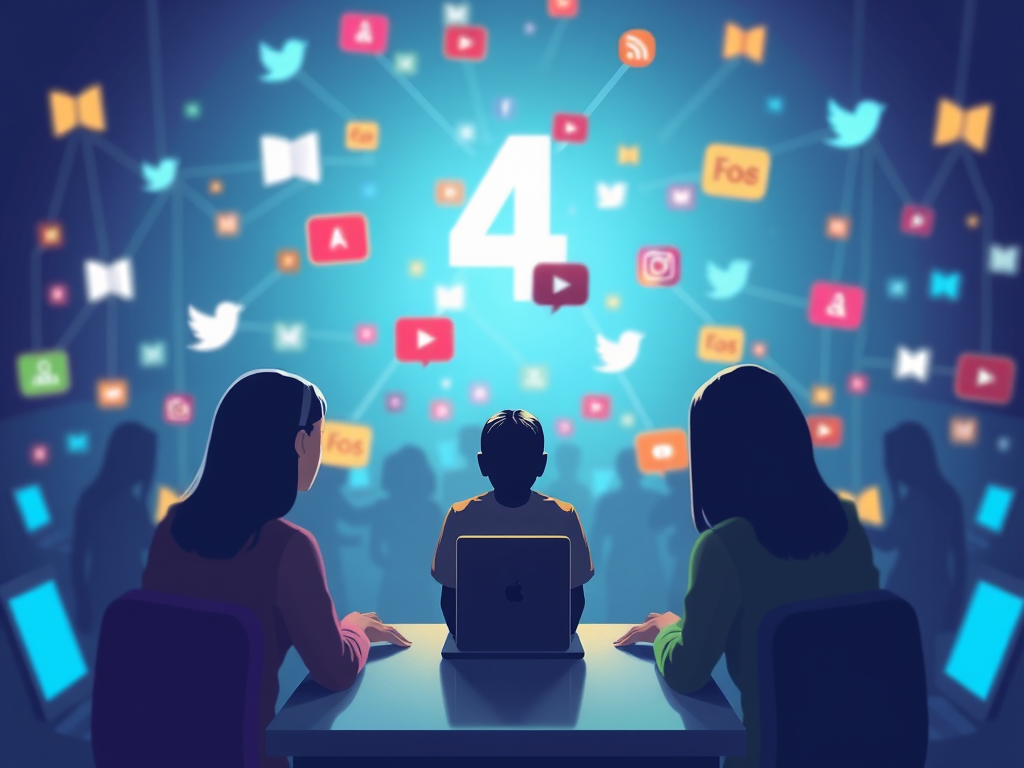
The sender was someone from my contact list across various platforms. I stared at his name for a full minute, trying to remember how we’d connected. A conference three years ago? A mutual friend’s introduction? One of those LinkedIn clicking sprees I went on during a particularly slow afternoon? I had no idea.
Against my better judgment, I agreed to meet virtually. What followed was 25 minutes of the most uncomfortable conversation I’d had in years. He responded to everything I shared with variations of “I see” while offering nothing about himself.
When I asked about his business, he gave vague answers about “some contacts he has.” By the end, I was counting the minutes until my free zoom time limination kicks in.
Here’s what struck me most about this experience: I realized I’d accidentally become a professional contact collector. Somewhere along the way, I’d confused building( or counting) a network with building actual relationships, and I had the hollow conversations to prove it.
I Confused Collecting with Connecting
Looking at my social media contacts is like looking through a junk drawer.
There are names I recognize but can’t place, faces that seem familiar but aren’t, and a surprising number of people who apparently sell essential oils. How did I get here?
The honest answer is that I got caught up in the numbers game without realizing it. Every platform celebrated my growing connections: LinkedIn congratulated me on milestones, Instagram highlighted my follower growth, Twitter showed me interaction stats. These numbers felt like progress, so I kept collecting more contacts like they were trading cards.
I became the person who said yes to every connection request, who attended networking events with the goal of exchanging as many business cards as possible, who connected with people I met for thirty seconds at conferences.
I thought I was being strategic and social. Really, I was just being a digital hoarder.
The person who messaged me had clearly been playing the same game. His one line outreach wasn’t an attempt to reconnect with an old colleague. It was him trying to “activate” his dormant network. The problem was that I wasn’t actually part of his network. I was just a name in his contact list, and he was just a name in mine. We were strangers pretending we had a professional relationship.
I Learned to Perform Instead of Communicate
During that uncomfortable call, I had another unsettling realization: while I was judging his passive responses, I was also performing rather than communicating. I found myself presenting the highlight better version of my business challenges, not actually sharing what I was going through.
I’ve apparently learned to communicate in soundbites designed for social media consumption.
Even in private conversations, I was still optimizing for positive reactions rather than honest exchange. When he asked how business was going, I gave him the LinkedIn version of my life, not the messy reality where I sometimes eat cereal for dinner and wonder if I’m making any of the right decisions.


This created the weirdest dynamic where both of us were essentially giving separate presentations rather than having a conversation.
I was waiting for my turn to share my curated updates while he waited for his chance to deliver whatever talking points he’d prepared. No wonder he kept responding with “I see.” He was probably as confused as I was about what we were supposed to be doing.
The result was twenty five minutes that felt like a mutual performance review where neither of us knew what job we were interviewing for.
I Forgot How Relationships Actually Work
Perhaps most embarrassing of all, I realized I’d forgotten that real relationships develop slowly, through repeated small interactions over time.
I’d gotten so used to social media’s promise of instant connection (add someone as a friend and suddenly you have access to their thoughts, photos, and daily activities) that I’d lost touch with how intimacy actually builds.
Real trust happens through consistency in small moments.
It’s following through on tiny commitments, remembering details from previous conversations, and showing up when it’s not convenient. These aren’t things I can shortcut with a connection request, no matter how personalized my invitation message is.
I’ve gotten embarrassingly out of practice with this kind of gradual relationship building. I expect immediate familiarity because that’s what digital platforms have trained me to expect. When I don’t get it, when someone doesn’t immediately share their deepest business challenges after a brief introduction, I assume something’s wrong with the interaction rather than recognizing I haven’t earned that level of trust yet.
This is why that LinkedIn conversation felt so awkward. I was expecting a level of familiarity and openness that our actual relationship history couldn’t support.
I wanted instant rapport with someone I’d never really talked to before, which is about as realistic as expecting a first date to go straight to planning retirement together.
Final Thoughts: My Contact List Tells a Story I Don’t Like
So here I am, back to staring at my contact lists full of strangers, wondering how I turned networking into the professional equivalent of hoarding.
The platforms that promised to help me build meaningful professional relationships have actually made me lonelier in a crowd of thousands.
I have more ways to reach people than ever before, but fewer people I can actually reach. The irony would be funny if it weren’t so depressing.
The solution isn’t complicated—it’s just harder than clicking “accept connection.
” Real relationships still require the same ingredients they always have: time, attention, and genuine curiosity about other people. The difference is that now I have to be intentional about it because scrolling through social media has become my default mode of “staying connected.”
Maybe the real question isn’t how to make better connections online, but how to remember what actual connection feels like in the first place.
Though I suppose that’s harder to measure than follower counts—which probably explains why I stopped bothering with it. At least my LinkedIn profile looks seems pretty good, even if my actual network could fit in a tiny coffee shop.
 Life Outside of Design Studio