
I saw a strange looking building going up in my neighborhood.
It is a midrise fourplex sitting in the middle of a street full of traditional single family houses, clearly one of the projects approved as part of Toronto’s push to build more housing, faster.
When it was first proposed, the neighborhood pushed back hard, mostly over height, and everyone braced for years of construction noise and dust. But somewhere along the way, most of that resistance quietly disappeared.
People got used to seeing the frame go up. They got used to the trucks blocking the street on garbage day. I thought we had all made peace with it.
Then one afternoon I walked past and saw the facade for the first time, and I realized we had not made peace with it at all, we had just been distracted by a different fight.
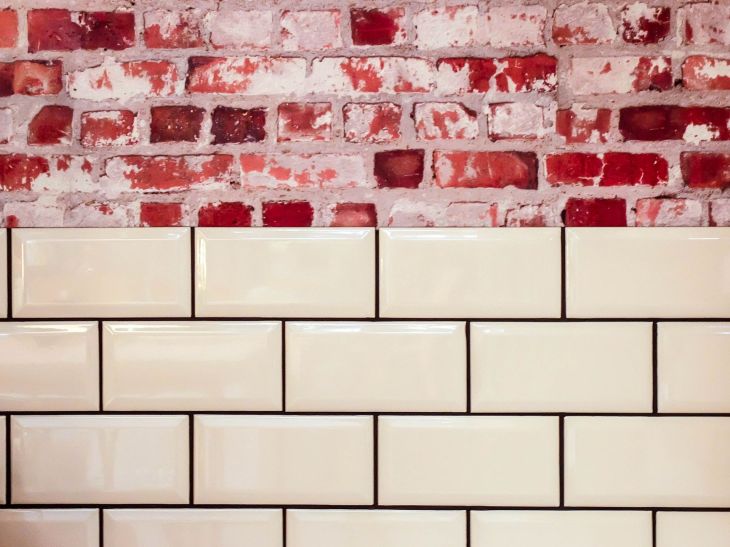
The material was white glazed brick, stacked in tight horizontal rows, and it reminded me of the tiled wall at a public bathhouse I visited years ago. Surrounded by a street of warm brownish brick houses, it did not blend in.
My first thought was that someone had made a mistake, that whoever chose this material simply had bad taste or was not paying attention.
That explanation did not hold up for long, though.
Too many people are involved in a project like this for one person’s bad taste to be the whole story, and figuring out why a wall looks the way it does means figuring out which pressure won: budget, code, climate targets, or something else entirely.
The more I thought about it, the less it looked like a mistake and the more it looked like evidence.
Somewhere in the planning of this building, two emergencies collided, the need for housing and the need to build responsibly, and one of them was allowed to skip the line while the other had to prove itself first.
Concrete and brick: the bill already paid
Concrete has a bad reputation right now, and it has earned it.
The manufacturing process is one of the more carbon intensive things we do as a species, and that is not a small thing to overlook in a decade when we are supposed to be counting every ton.
And yet concrete has an advantage almost nothing else can claim: it lasts. American architect Carl Elefante said it best: “the greenest building is the one that is already built.” There is a logic to that which only works looking backward.
If an old concrete building is still standing and still useful, the carbon it cost to make has already been spent, and every additional year it stays up is a year we did not have to spend more carbon building something new in its place.
The bill is paid. The only question left is whether the building was worth it.
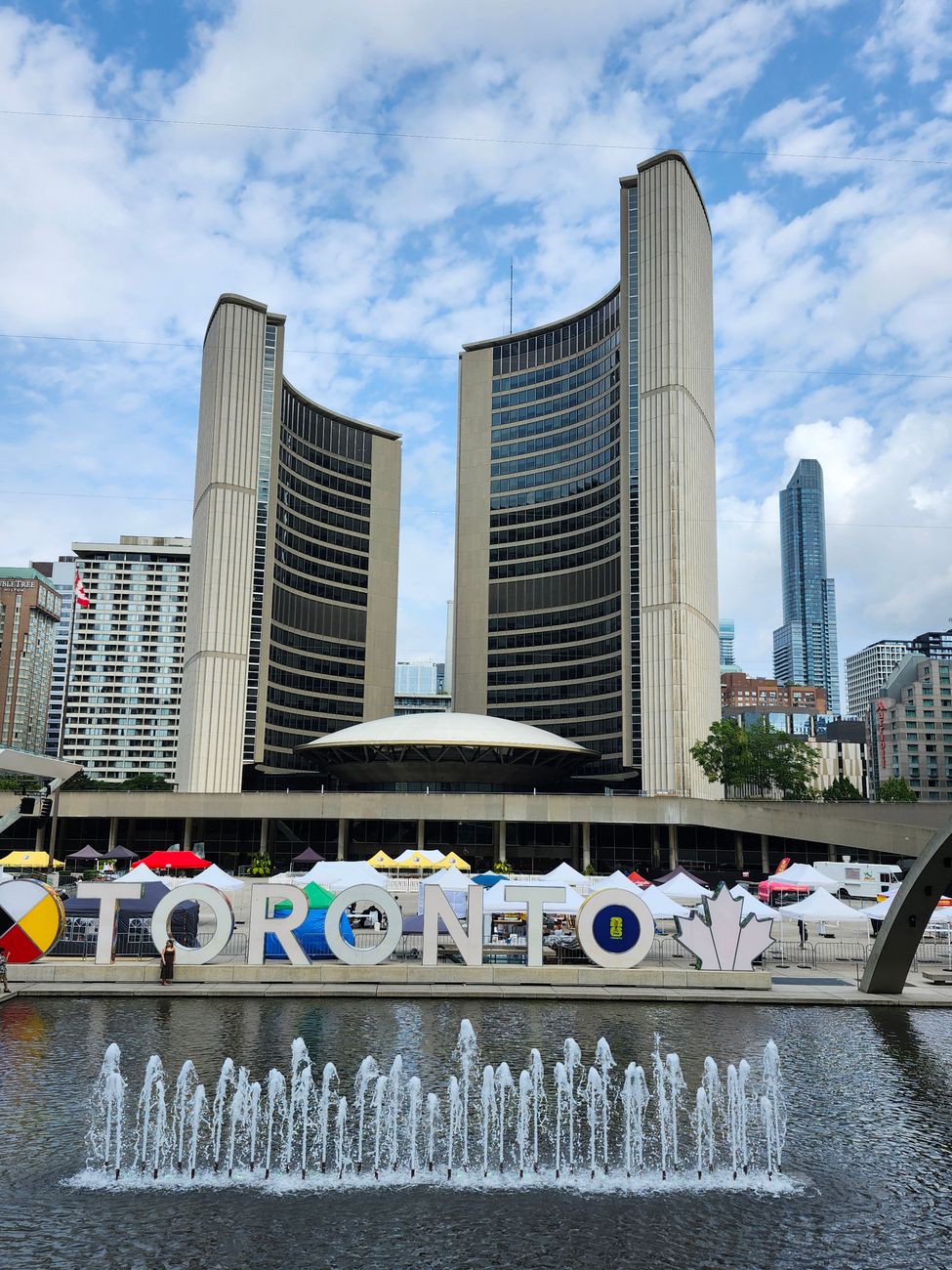
Toronto City Hall is a good example close to home. It opened in 1965, built almost entirely of concrete, and it was controversial from the start. Frank Lloyd Wright reportedly called the design a cliché before it was even finished, and much of the architecture establishment agreed with him.
Sixty years later, it is one of the most recognizable buildings in the city, the backdrop for skating rinks and protests and everything in between, and nobody is arguing anymore about whether the concrete was the wrong call. It just became the city hall.
That is not a coincidence, it is what time does to a building once its carbon cost is already sunk and all that is left to judge is whether it earned its keep.
Brick runs on a similar logic, which is part of what makes the glazed brick on my street so strange to see.
It is not trying to be exciting. It is trying to be permanent, in theory a safe and uncontroversial choice, the kind of material nobody argues about. Instead the color and the pattern made it feel like the opposite of the traditional brick houses near by, even though structurally the two are closer cousins than anyone walking past would guess.
Glass: the question changed underneath it
I am not sure exactly when glass turned into the villain of building materials, but I can guess.
Anyone who has lived in a glass heavy condo knows the story: floor to ceiling windows that looked incredible in the listing photos, followed by a summer of drawn curtains, glare on every screen in the apartment, and an air conditioner running nonstop.
A material that was supposed to bring the outside in ended up costing a fortune to keep the inside livable.
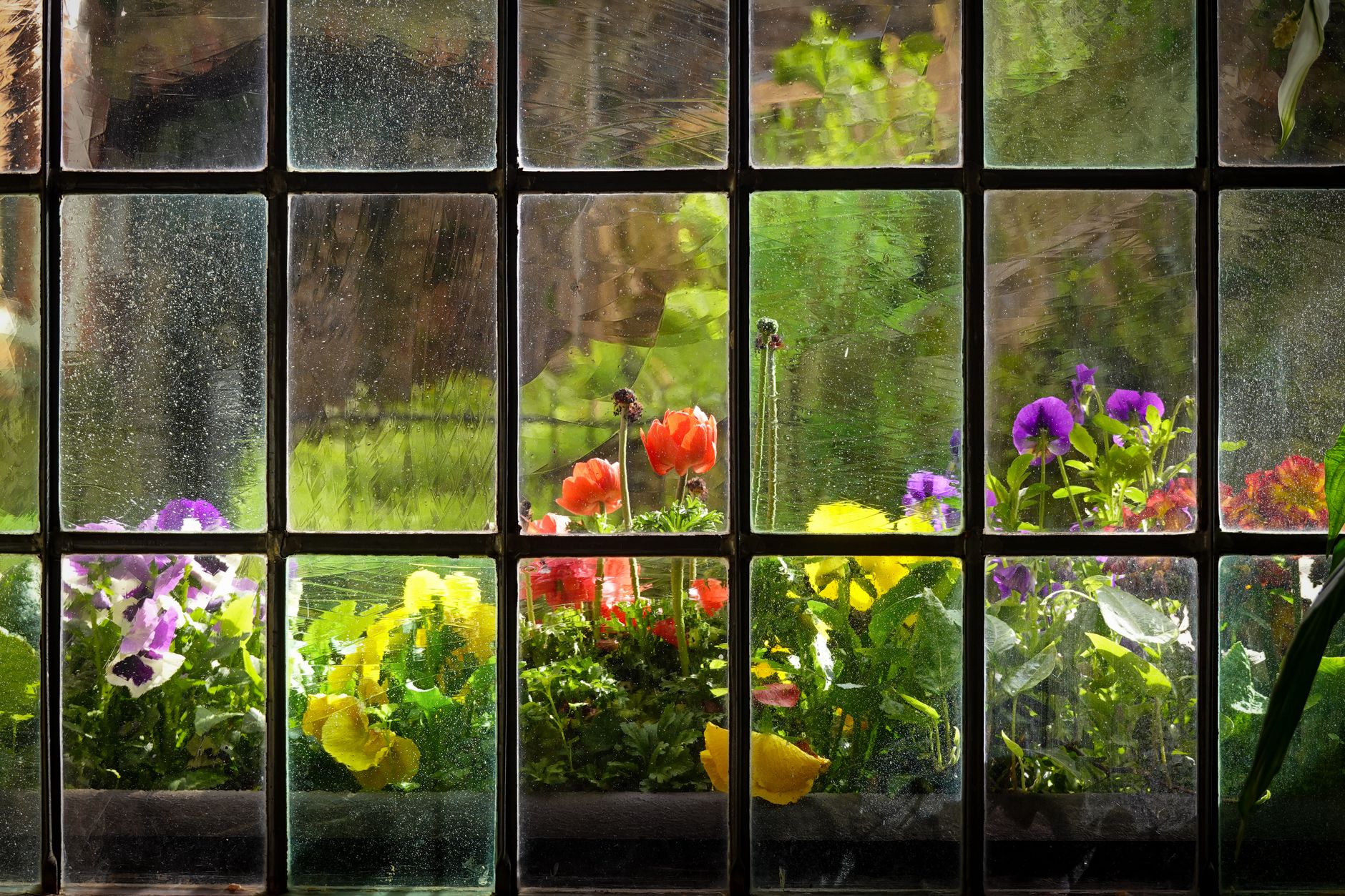
That shift shows up directly in the building down the street from me too. Along with the strange brick, the windows are narrow and vertical, almost punched into the wall rather than opened up.
It is a deliberate choice, and a reasonable one on paper, since less glass means less heat gain and a smaller energy bill down the line.
But it is worth noticing what got traded away to get there.
Glass used to answer a question about how we want to live, connected to daylight, aware of the world outside our four walls. Now it mostly answers a question about energy consumption, and those are not the same question.
I do not think we have fully reckoned with what we quietly gave up by letting the second one replace the first.
Timber: proven, but not yet trusted
Of the three, timber is the one I assumed had the hardest time getting approved, slowed down by red tape while everyone waited for it to catch up. I was wrong, and it is worth saying it plainly.
Ontario expanded its building code in 2025 to allow mass timber buildings up to eighteen storeys, and the material is not the slow option people assume it is. Mass timber panels are prefabricated off site and arrive ready to install, complete with windows and cladding already built in, which makes construction faster than a poured concrete building in many cases, not slower.
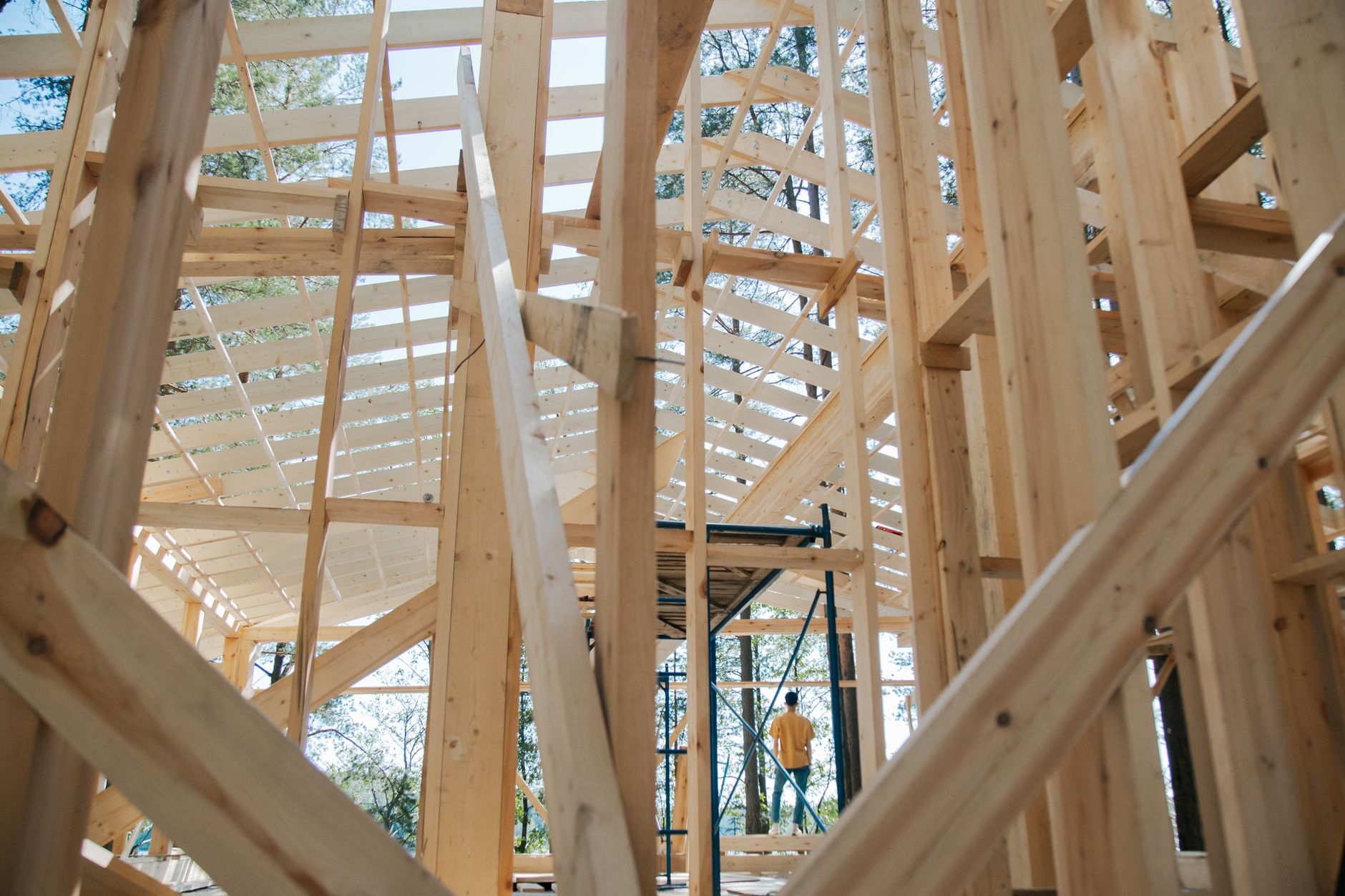
So if the code has caught up and the material builds faster, why isn’t every new midrise going up in timber? Cost, mostly, but not the kind of cost gap you would expect. A nine storey mass timber building recently completed in Etobicoke came in only a few percentage points more expensive than an equivalent concrete building.
A few percentage points is significant when margins are tight, but it is a long way from the wall of inaccessibility timber gets blamed for.
The bigger obstacle is trust. Banks, insurers, and buyers still treat timber as the newer, less proven bet, even though the code and the construction timeline no longer back that up.
Which is the part that actually bothers me.
Timber is the material built for the slower moving emergency, climate change, the kind of damage that compounds quietly over decades. But it is still asked to prove itself financially before, while a concrete or steel building can get financed and built without ever being asked to justify its carbon math first.
Nobody sat down and voted on that hierarchy. It just happened, quietly, project by project, financing decision by financing decision.
Final thought
So no, I do not think there is a single mistake sitting behind that shiny white brick building on my street.
I think there is a decision that got made honestly, under real pressure, by people trying to solve a housing shortage without much patience left over for a material that had not yet earned the market’s trust.
Climate considerations did not lose because they were wrong. They lost because they were still being asked to prove themselves, and housing was not.
I still do not love the way the building looks.
But I have started to wonder if in twenty years it will have weathered into something closer to the brownish brick down the street, and if by then nobody will remember why we were so upset about a wall in the first place.
Buildings age. So, apparently, do arguments about what they are made of.

