
A networking event downtown looked interesting enough a few weeks ago that I was ready to register.
However, the day before the event, I started questioning everything about it: the registration fee, the hours of getting ready, the subway ride downtown and the ride back.
The same event that had seemed worthwhile now seemed like a lot of effort, and I only noticed the change because I was about to pay.
So I asked my sister whether I should go.
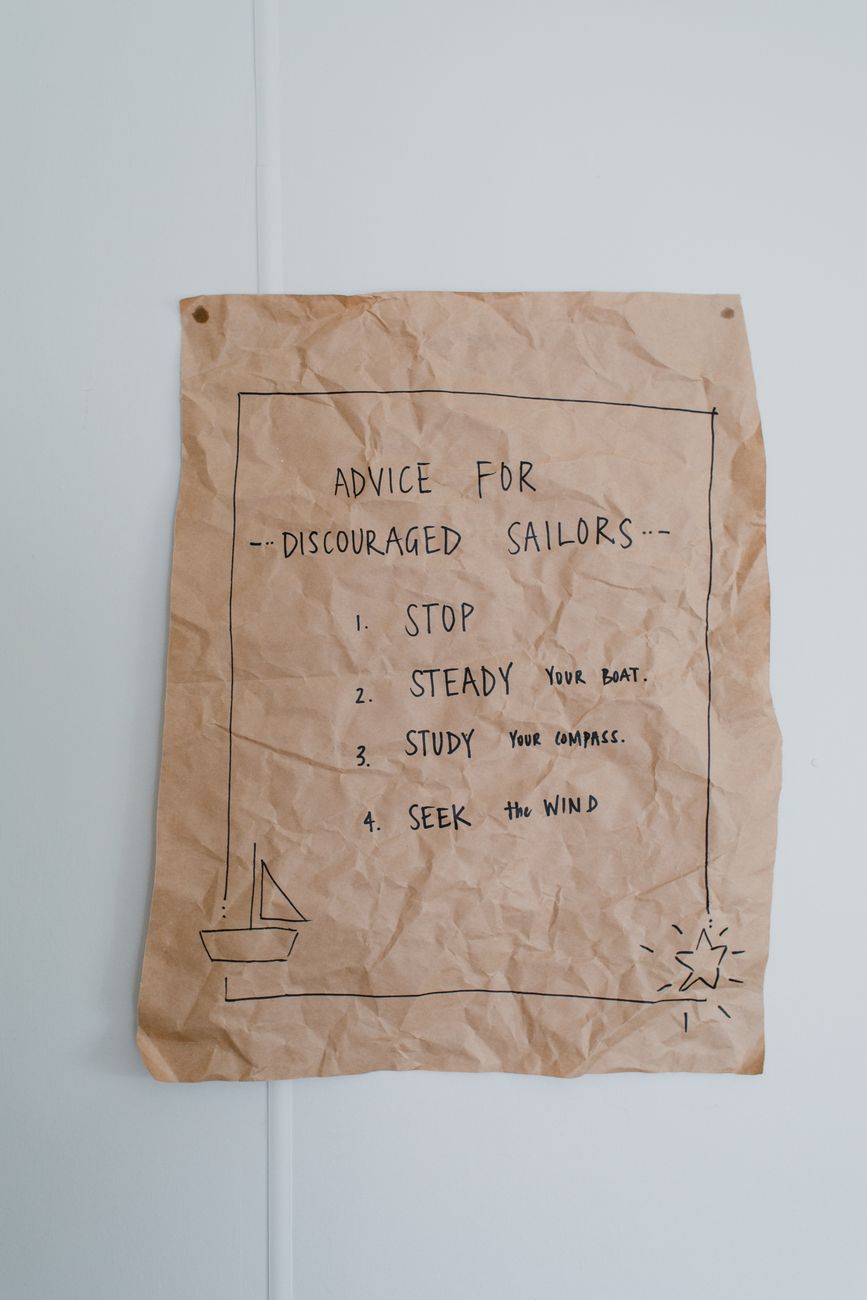
With clear irritation on her face, she said, “You already asked me this,” and then added, “Why do you keep asking for the same advice? I thought you had already decided.” It turned out to be the fourth time I had asked her the same question.
Why indeed.
I could have admitted that I did not know the answer, or that making the decision was uncomfortable, but asking again felt safer, because as long as I was waiting to hear what someone else thought, I did not have to decide anything.
I called it gathering information, and I suspect it was closer to fear.
The friends who only needed to nod
In university I had a close group of girlfriends, and we spent most of our time together studying, eating, and going to parties.
One of our favourite phrases was “Do you think I should…”, and it covered everything: should I buy this dress, should I skip structures class to work on my studio project, should I apply for the summer job at this/that architecture firm.
Looking back, I am not sure any of us followed the answers we got, and what I remember is the nodding.
A nod from a best friend gave me the confidence to act on choices I could not make myself, even for a decision as serious as a dress (at the time, it really did feel like life or death).
The yellow dress that everyone approved of, I wore exactly once, to a party we all attended together, so the approval did not do much for the dress. The advice to put my hours into the studio project instead of attending structures class turned out to be the right call, because the studio grade counted for more in the semester.
Even so, I cannot tell whether I took their advice or whether I had already chosen the studio and wanted company in the choice.
The decision that money makes for you
For years I worked out on my own, and the pattern never changed much: a few good weeks, a skipped week that turned into a skipped month, and then another round of asking people what worked for them.
The advice was always the same, which was to go consistently, and I always agreed with it and then did not follow through. So I signed up for a three month gym membership, hoping that paying would help a new habit form.


The workouts themselves were about what I had been doing at home; the difference was that I had paid for them, and not going now felt like wasting money, which was more uncomfortable than going.
It helped, at least for a while.
Over time my resolve to work out consistently became weaker again, so I cannot say the habit truly formed. But it taught me something I did not expect: putting down money is the one thing that has made me take advice I already had.
I had been asking how I should exercise when the real question was whether I would, and the payment answered that question, so the payment stopped needing so many opinions.
What I still do not know is whether anything works once the money stops, or whether I simply need to keep paying.
The second opinion you hope is different
This is huge…it happens everytime when I am faced with big decisions.
Back to the fourth time I asked my sister. I was hoping she would say what she had not said before, that the event was not worth the fee and that I should stay home.
The truth was that I was behind on work, and the alternative I was really considering was comfy pants and a remote control in my hand, instead of a cold, dark night at a networking event that might not turn out to be great (which happens a lot).
I could have told her that, and I could have told myself, but I asked “should I or should I not” and waited for her to hand me permission to stay home.
She gave me a question instead, which is probably why her answer annoyed me so much.
Looking at it now, I had made my sister the person who decides whether I stay home on a weeknight, and that is a lot to put on someone who only wanted to finish her dinner.
Final Thoughts
My sister’s theory was that I have a terrible memory, and I will admit there may be some truth to that (it is a story for another post), but in this case I remembered her answers perfectly well; I just kept hoping they would change.
In the end I went to the event, and it was what most professional events turn out to be: polite conversations, a few LinkedIn connections, and a subway ride home during which I could picture quite clearly the evening on the couch I had been considering the day before.
I am still not sure whether going was the right decision or only the one I stopped being able to avoid.
Either way, I now have a few new contacts to send messages, and I am already wondering whether to ask my sister for advice on sending the first LinkedIn message, or, better yet, whether to stop asking her for advice at all 🙂

