A few weeks into the semester, a student asked me to review his portfolio before he applied to graduate schools in architecture.
A portfolio, essential must have item for creatives, is a collection of your best work for graduate school application or job search. Essentially it is a “resume” for people in visual field.
I have taught a thesis design course since the pandemic, so this request comes up often, and over the years my answers became (trying to be) helpful but predictable: include a variety of work such as sketches, photos of models and even paintings, add short descriptions so a reader understands what they are looking at, and reorder the projects depending on who will be reading.
This time I never got to that advice.
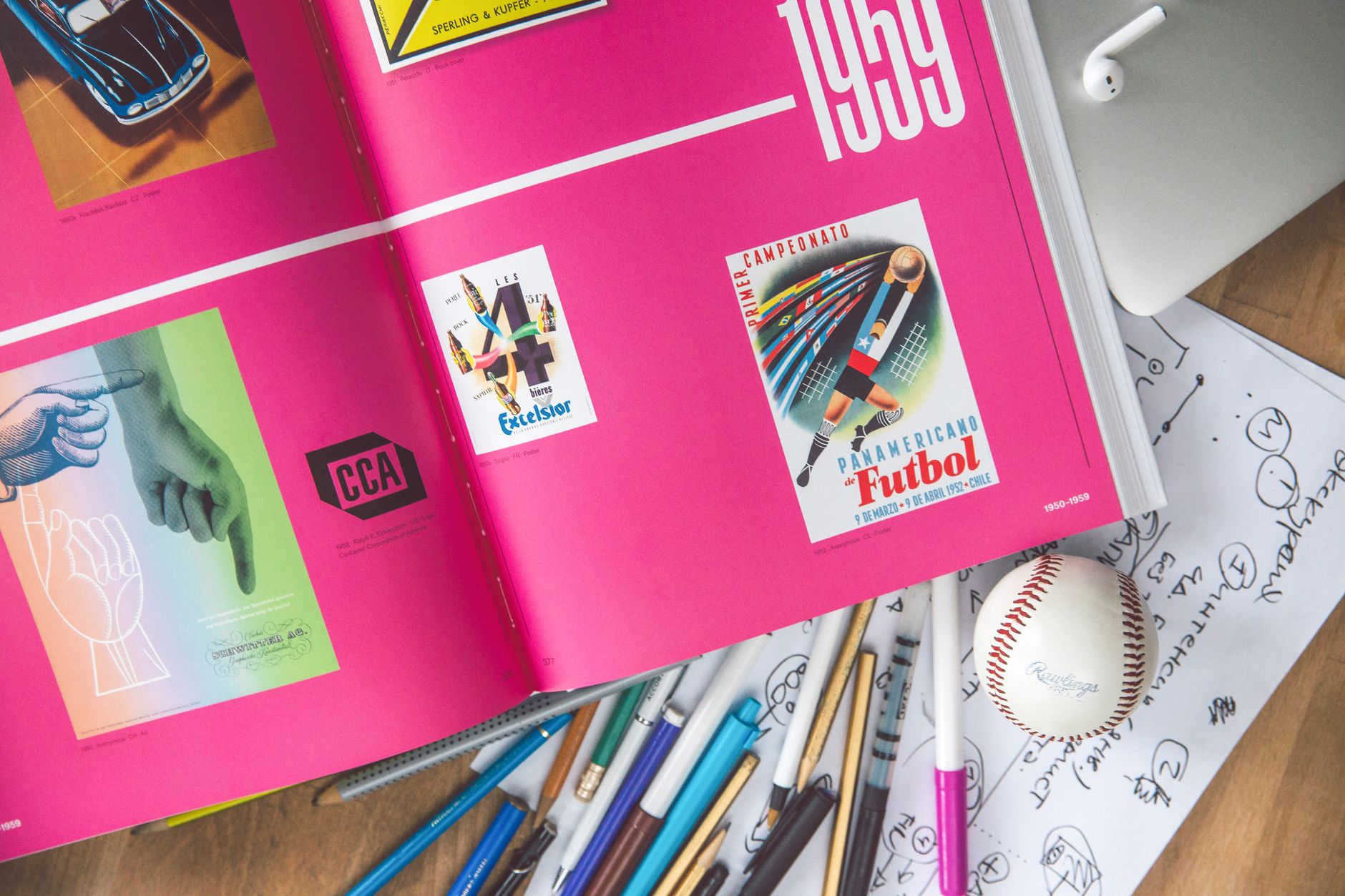
After going through every page, my first question was whether AI had produced the renderings, since every image was perfectly finished and the project descriptions were wordy in a way that didn’t sound like him. (or many students I know)
Honestly, it wasn’t really a question, because I was already fairly sure the work wasn’t his.
When I asked, he said he had “got some help from AI,” and I kept getting stuck on the word “some.”
How would anyone measure that, especially when everyone applying is competing for a handful of spots?
What I did next surprised me a little.
I started flipping back through the pages looking for something slightly off, like a crossed-out idea or a sketch with a question scribbled in the margin, and I realized that I, who had spent years rewarding polish, was now suspicious of it.
I think AI didn’t make creative work fake so much as it made polish impossible to trust, and that turned the flaws into something I believe in.
I used to take points off for mess
A traditional portfolio contains only finished work: the completed oil painting, the carefully drawn portrait, the balsa wood model photographed at its best angle.
Including a rough sketch with questions written along the edge suggested you could not judge or worse, evaluate your own work. As a instructor trained in that tradition (an old person, by my students’ standards) I deducted points for it without much thought.
Now when I see a flawless image on every page, I get uneasy, because anyone can generate image in a few seconds from a basic prompt.
I’ve been telling myself that perfection is cheap, and I would guess admissions committees going through hundreds of portfolios are as tired of it as I am. What I want to see is mess the person went through: hand drawn sketch with notes next to, even with marker with X mark over some conceptual sketches.
The best part is seeing the progress of how those messy sketches transform into final production of work and seeing (and confirming) those progress would be the strongest page in any portfolio.
Smudged charcoal is harder to fake, for now
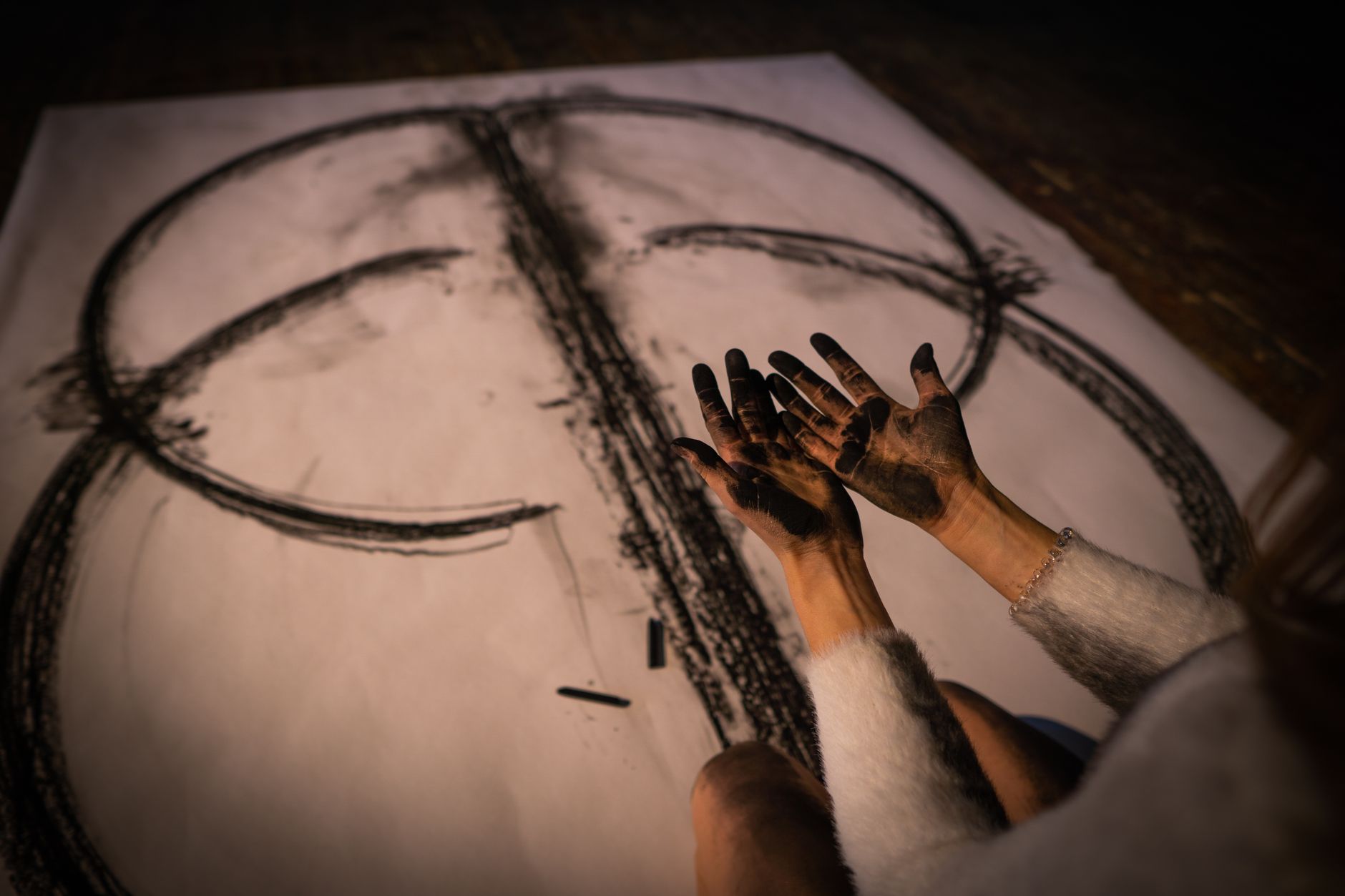
The old saying that a picture is worth a thousand words still holds, except that the picture now needs to be of something real, like a charcoal sketch with hand smudges or a physical model with a slightly uneven railing.
I tried a free AI graphics myself, typed one short prompt, and had an image in a few seconds. It was generic and a little boring, but it was good enough, and it cost nothing, whereas in the past better software meant better-looking work and access was a real advantage.
I teach design, so all of this comes to me through sketches and models.
I do wonder whether a writer gets the same uneasy feeling from a draft that is too smooth, or a musician from a demo without a single wrong note…
If AI can produce a convincing messy sketch (and I assume it will soon), then we have only pushed the trust problem back one step, and I wonder what our judgement should be next.
Showing less may be the real skill
The other thing I keep thinking about is judgement, meaning the decision about what to show and what to leave out.
A person who designs a portfolio carefully is closer to a director than an artist, since the work is no longer about making each page but deciding which page to add or more importantly to subtract.
I would expect schools and employers to start looking for that judgement, because it is the part that cannot be produced by a prompt.
I should also admit that “don’t compete with AI on polish” is easier to say than to follow.
A committee skimming hundreds of applications probably still lets the polished ones through the first look, and process only helps if someone has the time to slow down and read it.
Whether they do, those are the “judement” of individual committee members.
Back to the student
The student in question has asked for another session to review the updated portfolio, and I’m curious what it looks like when he knows the reviewer is looking for creative process rather than perfectly finished work.
I just hope he doesn’t take me too literally, because opening the file to find red X marks across every page would be hard to complain about, considering everything I have said here:-)

